REVIEW · PLAYA DEL CARMEN
Authentic Mexican Cooking Class in Playa del Carmen
Book on Viator →Operated by Cozumel Chef · Bookable on Viator
Peppers in a real market beat a guidebook. This hands-on Mexican cooking class in Playa del Carmen starts at DAC Verduras y Frutas, then moves to Chef Isa’s home kitchen for a meal you actually cook and eat. You also choose your main dish, so it feels personal instead of factory-made.
I love the market-first approach, especially the way Isa and her kitchen team explain ingredients like peppers (raw vs dried) and what that means for flavor. I also like that you leave with printable recipes, so the class can follow you home instead of evaporating by day two.
One thing to plan for: this experience involves walking and a stairs-and-apartment-style setup. One participant specifically noted that the climb to the class area was rough for a senior with mobility limits, so if stairs are a concern for you, think twice before booking.
In This Review
- Key Things You’ll Really Care About
- Market Start at DAC Verduras y Frutas (and Why It Matters)
- Picking Your Main Dish: A Menu That Actually Shows Mexico
- The Home-Kitchen Cooking Session (Where You Get Hands-On Time)
- Salsas and Guacamole: Two Types, Many Lessons
- Tortillas and the Seasonal Fruit Drink Side of the Meal
- What Lunch Looks Like (and How You End Up Stuffed)
- Class Size, Language, and the Pace You’ll Feel
- Price and Value: Paying for Real Cooking, Not a Ticket to Taste
- Who Should Book This Class (and Who Might Not)
- Getting There: The Practical Side of Playa del Carmen Cooking
- Should You Book Chef Isa’s Mexican Cooking Class?
- FAQ
- What time does the cooking class start?
- How long does the experience last?
- How much is the tour?
- How many people are in the group?
- Is the class offered in English?
- What dishes do I make during the class?
- What is included with the lunch?
- Are vegans and vegetarians welcome?
- Are there age limits for children?
- What is the cancellation policy for a full refund?
Key Things You’ll Really Care About
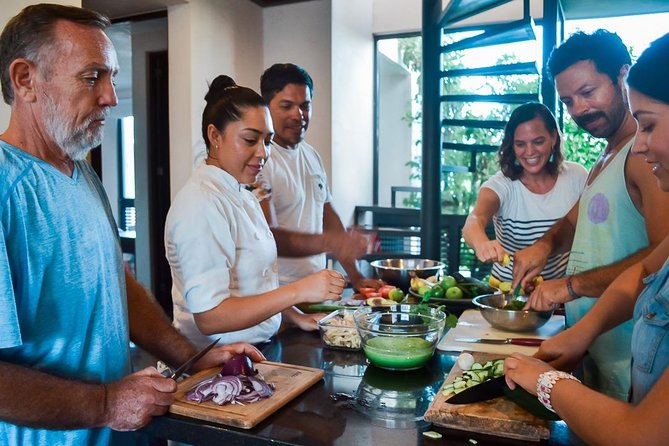
- Small group size (up to 8) means you get real hands-on time, not just watching.
- Choose one main dish from a menu of classic regional options, including Yucatan and Mexico City favorites.
- You make the building blocks: two types of guacamole, traditional salsas, corn tortillas, and a seasonal fruit drink.
- Lunch is included and you eat what you cook, so the “activity” part ends in a real payoff.
- English instruction is offered, which helps you understand techniques and ingredient choices as you go.
- Vegans and vegetarians are welcome, with accommodations made for meal needs.
Market Start at DAC Verduras y Frutas (and Why It Matters)
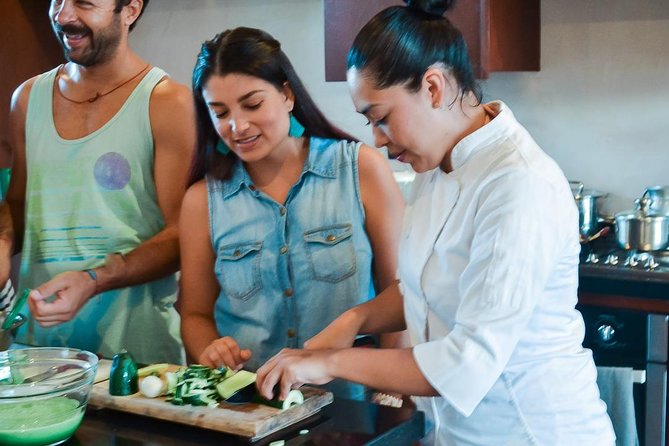
The experience begins at DAC Verduras y Frutas, a local market that’s close to public transportation. You meet there around 11:00 am, then spend the early part of the class doing the most important thing in Mexican cooking: choosing ingredients.
This market section isn’t just shopping. You get a quick lesson on what you’ll be making that day, then you’ll talk through the main dish options and decide which one you want to cook. That choice isn’t a gimmick. It sets the flavor direction for your entire meal.
One of the best moments in this tour style is pepper education. In reviews, people mention learning how peppers differ raw versus dried, and how charring and roasting can change the whole personality of a salsa. You’ll also see how Isa focuses on parts of ingredients, not just recipes. That’s the kind of detail that helps you cook again later.
Practical note: the market walk is part of the learning. Wear shoes you’re comfortable in, because you’ll be moving around and standing while Isa explains what’s what.
You can also read our reviews of more cooking classes in Playa del Carmen

Picking Your Main Dish: A Menu That Actually Shows Mexico
After the market introduction, you head into the kitchen path with a clear goal: you’ll prepare one main dish from a regional-style menu. This is a big value point, because you’re not splitting attention across six mains. You get to focus, practice, and make something you’ll recognize when it hits the table.
Your main dish choices can include classics like:
- Mole Poblano w/ Chicken
- Green Mole w/ Chicken, plus options with pork or fish
- Tiikin Xic Fish (Yucatan)
- Cochinita or Chicken Pibil (Yucatan)
- Tacos al Pastor or Chicken Tinga (Mexico City)
- Fish a la Veracruzana and other regional fish preparations
- Chile Relleno (cheese or shrimp & cheese)
- Chiles en Nogada, with availability noted for August only
You might notice how many of these are tied to place, not just “Mexican food.” That’s useful for you because it gives you a mental map: Yucatan flavors, Mexico City favorites, Caribbean-style ceviche, and so on. Even if you don’t know the names yet, you’ll start connecting ingredients and techniques to a region.
Also, ingredient substitutions can happen if seasonal items aren’t available. That’s normal for cooking with real food. The upside is you learn how to adapt, not how to panic when a specialty ingredient is missing at home.
The Home-Kitchen Cooking Session (Where You Get Hands-On Time)
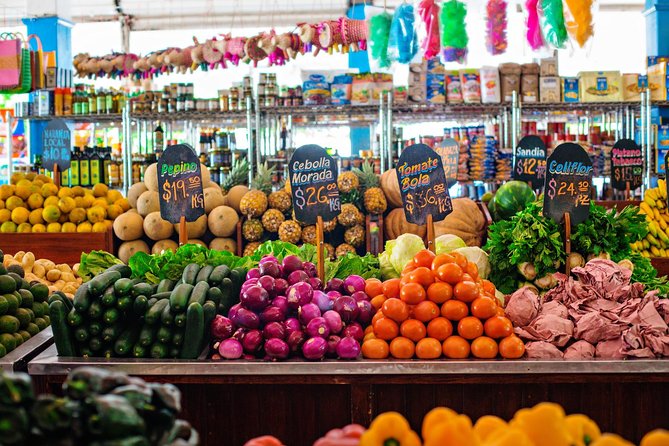
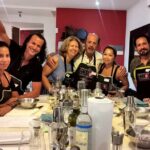
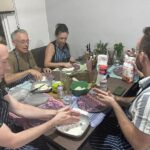
Once you leave the market, you walk to Isa’s home kitchen to cook. This is where the class becomes truly hands-on. You’ll prep alongside others in your small group, with your own cutting board and workspace in at least some classes.
Isa’s teaching style comes through clearly in feedback: the instruction is step-by-step, and people mention that English is strong and easy to follow. Reviews also describe Isa’s patience, which matters because tortilla-making and sauce work can feel tricky the first time.
In one described class, Isa’s family helped out too, including her mother-in-law joining for meal prep. That changes the vibe in a good way. You get the feeling of a real household cooking rhythm, not a staged demonstration.
What you’ll be doing in the kitchen isn’t one long “chop and wait” line. It’s multiple mini tasks: prepping aromatics, building salsa flavors, and then moving into your chosen main dish. That variety keeps you engaged and makes it easier to remember what you did.
Salsas and Guacamole: Two Types, Many Lessons
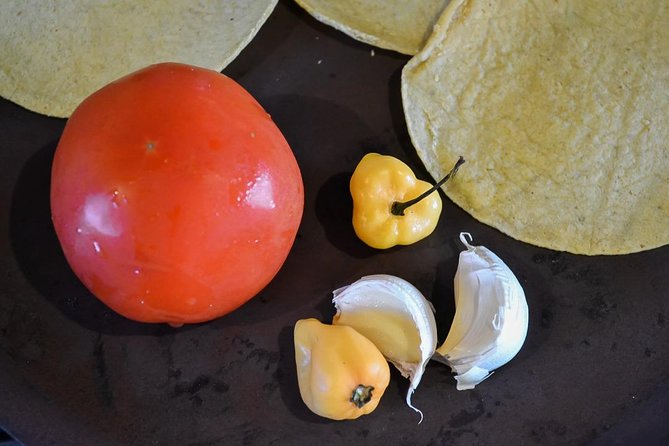
Before you get to the main, the class has a strong flavor foundation. You’ll learn to make traditional salsas and guacamole, and you’ll do it in a practical way that translates to your kitchen later.
Your starter includes:
- Two traditional Mexican salsas
- Two types of guacamole, served with tortilla chips
In reviews, people highlight the pepper and sauce technique side of things, including learning to compare flavors and understand why certain steps matter. There’s also an example of a creative guacamole variation mentioned in one class, using pomegranate seeds and ginger. Even if your guac ends up different based on what’s seasonal, the method is what you want to carry home.
Guacamole is also the perfect “feel it in your hands” lesson. You’ll taste, adjust, and learn how texture and seasoning change the final result. That’s huge if you’ve ever made guac that turned out bland or brown too fast.
Salsas teach you something similar: Mexican salsa isn’t just a condiment. It’s a balance game of heat, smoke, tang, and freshness. When you make two versions, you start understanding how ingredient choices shift the flavor profile.
Tortillas and the Seasonal Fruit Drink Side of the Meal
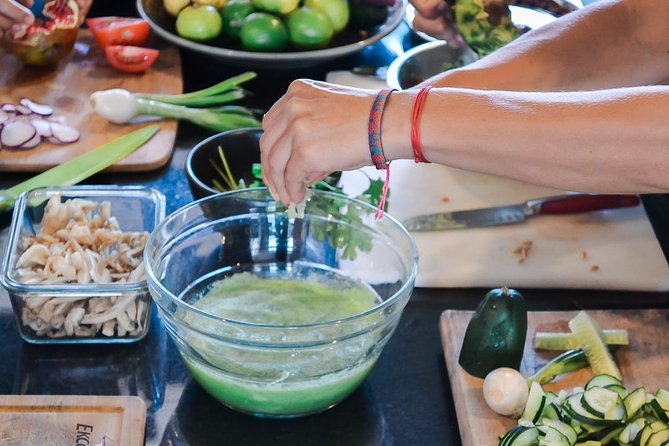
Corn tortillas are part of the action, not an optional add-on. You’ll learn how to make tortillas during the class, and feedback from participants shows that this is often a satisfying skill gain. One person described feeling confident enough to make tortillas at home afterward.
Tortillas also give you a practical rhythm. While salsa and guac set your flavors, tortillas make your meal feel grounded and complete. Even if you don’t plan to become a tortilla factory at home, understanding the process helps you respect what goes into a good tortilla.
Then there’s the drink. You’ll make a fresh beverage using seasonal fruits, and bottled water plus traditional aqua frescas are part of what’s provided. In one review, the group was served hibiscus tea, which sounds like a nice regional pairing when the meal is spicy or smoky.
If you’re the type who likes a full meal experience, this drink and tortilla combo is a big reason the class feels like more than cooking lessons.
You can also read our reviews of more tours and experiences in Playa del Carmen

What Lunch Looks Like (and How You End Up Stuffed)
Because the class is built around cooking, the meal itself is the payoff. You’ll eat what you make, starting with the salsas and guacamole, then moving into your chosen main dish. The included lunch is described as plentiful in multiple reviews, and people leave full and happy.
This matters for value. You’re not paying mainly for instruction and then paying extra for food nearby. The class structure is designed so your time feeds you. You’re also getting multi-course, multi-dish cooking experience, even though you pick only one main.
Another small but meaningful perk: you’re given recipe materials. Some participants mentioned receiving recipes afterward as well, which helps you recreate what you made without relying on memory alone.
If you like meals that are both instructive and actually delicious, this format hits the sweet spot.
Class Size, Language, and the Pace You’ll Feel
The class caps at 8 travelers, which is a huge difference from big cooking “shows.” You get enough space to chop, stir, taste, and ask questions. You’re also more likely to get corrections in real time, like how long to char something or how to adjust a sauce.
English is offered, and reviews repeatedly mention that Isa’s instructions are clear. That’s a practical advantage if you want to understand techniques, not just follow steps blindly.
In terms of timing, the experience is listed as about 3 hours, but one participant said it took closer to 4 hours for their group. For planning, I’d treat it as a half-day block. Don’t schedule a tight dinner right afterward unless you’re comfortable with a slower pace.
Price and Value: Paying for Real Cooking, Not a Ticket to Taste
At $120 per person, you’re paying for more than ingredients. You’re paying for:
- a market tour and ingredient guidance,
- hands-on coaching in a home kitchen setup,
- included lunch (you eat what you cook),
- drinks and bottled water,
- and recipe printouts.
For a lot of cooking classes, the cost feels high because you’re mostly watching. Here, the structure is designed so you’re participating in multiple steps: salsas, guac, tortillas, and your main dish. Small group size makes that participation realistic.
If you’re the kind of traveler who loves learning methods you can use later—pepper handling, sauce balance, tortilla practice—this price starts to make sense fast. If you only want a quick bite of local food with minimal effort, you may find it feels like work, even though it’s fun.
Who Should Book This Class (and Who Might Not)
This class is a strong fit if you:
- want an authentic cooking experience with a local teacher,
- like market-to-kitchen structure,
- enjoy hands-on prep and tasting,
- and want recipes you can try again later.
It’s also a good fit for couples and solo travelers, because the small group size keeps the tone friendly and interactive.
It may be less ideal if:
- you have mobility concerns with stairs or walking,
- you want a short, light activity instead of a full cooking session,
- or you’re traveling with children under 8, since children under 8 aren’t included and kids 8 to 18 must be accompanied by an adult.
Also note: hotel pickup and drop-off aren’t included, so you’ll need to get yourself to the meeting point at DAC Verduras y Frutas.
Getting There: The Practical Side of Playa del Carmen Cooking
You start at 30 Avenida Nte. Manzana 34 Lote 10, between Constituyentes and Calle 22, in Gonzalo Guerrero, Playa del Carmen. The class ends back at the same meeting point, so you don’t need to figure out transport twice.
The good news: it’s near public transportation. The not-so-fun news: no hotel pickup. So if you’re staying far out, plan your route ahead and give yourself a little cushion.
Bring a bottle-friendly mindset. Bottled water and aqua frescas are provided, so you won’t need to hunt for drinks during the class.
Should You Book Chef Isa’s Mexican Cooking Class?
If you want a Mexico-focused food experience that’s more than eating, I’d book this. The biggest reasons: you cook in a small group, you start at a real market, and your meal includes both guided technique and a full lunch payoff.
Book it especially if you care about regional Mexican flavors and want to understand why dishes taste the way they do. If you’re excited by peppers, salsas, tortillas, and the idea of choosing your own main dish, this class fits your style.
Just do yourself a favor and be honest about stairs and timing. Once that’s accounted for, you’ll likely come away with real cooking confidence, not just a full stomach.
FAQ
What time does the cooking class start?
The class starts at 11:00 am.
How long does the experience last?
It lasts about 3 hours (approx.). One review mentioned it took closer to 4 hours for their group.
How much is the tour?
The price is $120.00 per person.
How many people are in the group?
The class has a maximum of 8 travelers.
Is the class offered in English?
Yes, it’s offered in English.
What dishes do I make during the class?
You make traditional salsas, two types of guacamole, corn tortillas, and a fresh seasonal fruit beverage. You also choose one main dish to prepare from the available options.
What is included with the lunch?
Lunch includes the dishes you cook, along with bottled water and traditional Mexican aqua frescas. A printout of recipes is also included.
Are vegans and vegetarians welcome?
Yes, vegans and vegetarians are welcome.
Are there age limits for children?
No children under age 8 are allowed. Children ages 8 to 18 must be accompanied by an adult.
What is the cancellation policy for a full refund?
You can cancel up to 24 hours in advance for a full refund. If you cancel less than 24 hours before the start time, the amount paid is not refunded.