REVIEW · PLAYA DEL CARMEN
Mexican Cooking Class 1 or 3 Courses Tequila and Mezcal Tasting
Book on Viator →Operated by Co.Cos Culinary School · Bookable on Viator
Tequila and mezcal pairings start with your own kitchen work. This Mexican cooking class in Playa del Carmen happens in Chef Coty’s home, where you cook at the same pace as everyone else in a fully equipped setup, not just watch and snack. You’ll learn peppers and sauces while making a real meal, then finish with a tequila and mezcal tasting tied to what you cooked.
What I like most is how practical it feels: you get proper station space, you handle ingredients, and you leave with recipes you can actually repeat. A second big win is the way the class ends—food first, then a guided adult sip lesson that helps the flavors make sense. The only real drawback to plan for is the time: this is not a quick demo, especially on the 3-course days.
In This Review
- Key things to know before you go
- Co.Cos Culinary School in Playa: a real home-kitchen class, not a show
- Pick your class: 1-course vs 3-course (and why the timing matters)
- The sample menu details (and how they teach Mexican flavor)
- Starter: Ceviche Timbal with chipotle aiño and totopos
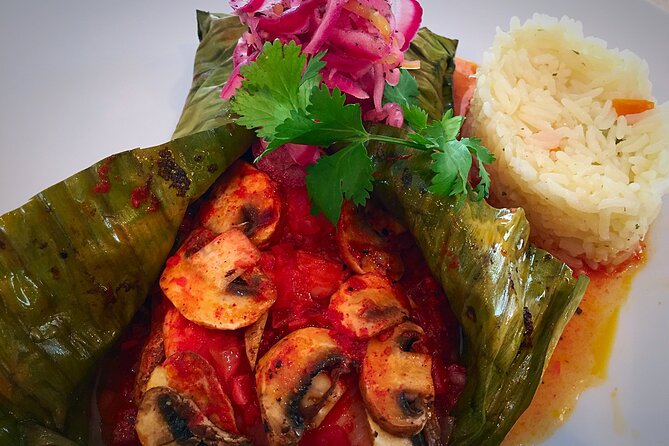
- Main (one of the options): Fish and shrimp in achiote, wrapped in banana leaves
- Dessert: Caramelized flambeed bananas with rompope and roasted nuts
- Other menu paths you might cook
- The pepper lesson: why this class pays attention to what’s in your sauce
- Patio meal + wine and beer: how you get through the work without feeling rushed
- Tequila vs mezcal tasting: what you’re actually learning at the end
- Where it happens: meeting point in a gated community (and how to get there)
- Who this is best for (and who should choose another option)
- Price and value: $105 for a full learning meal plus tasting
- Practical tips to get more out of your class
- Should you book Co.Cos Mexican Cooking with Tequila and Mezcal?
- FAQ
- What meals are included in the cooking class?
- How long is the 1-course vs 3-course class?
- Is transportation included?
- Is the class offered in English?
- Can vegetarians or vegans join?
- What if I’m traveling solo?
Key things to know before you go
- Small-group kitchen class (max 14) with your own cooking station
- Choose 1 course (~3 hours) or 3 courses (~5 hours) depending on the day
- Tequila and mezcal tasting at the end, served after your meal with dessert
- Pepper education you can use later, including samples of different chiles
- Vegetarian and vegans are welcome if you advise ahead of time
- Solo travelers should ask first, since the minimum group size is 2
Co.Cos Culinary School in Playa: a real home-kitchen class, not a show
If you want Mexico through food you make yourself, this class fits the bill. Co.Cos Culinary School runs from the chef’s home and school space in Playa del Carmen, so the vibe is intimate and relaxed instead of “tour group theater.”
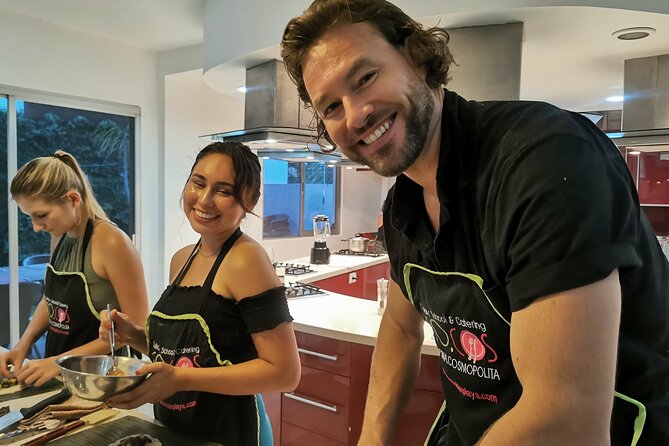
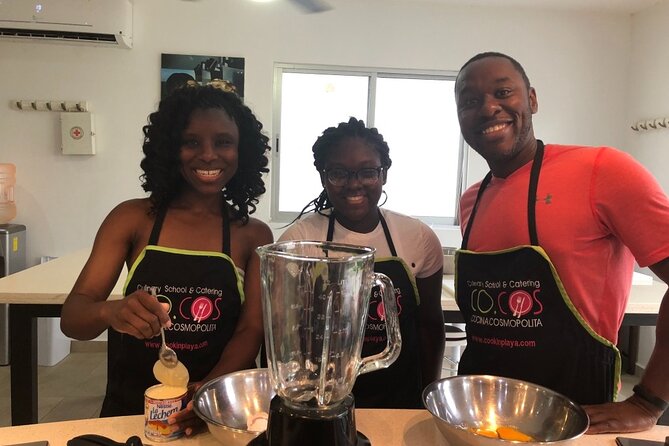
The setup matters. This kitchen is fully equipped and designed so multiple people cook at once at their own stations. In practice, that means less standing around and more hands-on time—chopping, assembling, seasoning, and learning the order of steps that keeps sauces tasting clean instead of rushed.
Most evenings also turn social in a good way. After cooking, you sit down to eat the food you made, with wine and beer included, and you share the table with your classmates. That blend of instruction plus conversation is exactly what makes cooking classes feel like an experience and not just a meal.
You can also read our reviews of more food & drink experiences in Playa del Carmen


Pick your class: 1-course vs 3-course (and why the timing matters)
You get two schedules, and they’re not interchangeable in length.
1-course option: Tuesdays and Thursdays, about 3 hours.
You’ll come in, cook through one main flow, and get to tasting and dessert without the full stretch of a 3-course schedule.
3-course option: Mondays, Wednesdays, and Fridays, about 5 hours.
This is the “full meal day.” Expect more prep, more sauce work, more dishes, and a longer sit-down. If you’re the type who likes finishing what you start—then this one is the better match.
Here’s the consideration that’s worth taking seriously: even the shorter class is still a cooking class. One review experience described the class as focused on learning and cooking, not just grazing. If you arrive thinking you’ll mainly watch and snack, you’ll feel it in the best way or the hungry way. Plan your evening meal timing so you show up ready.
The sample menu details (and how they teach Mexican flavor)
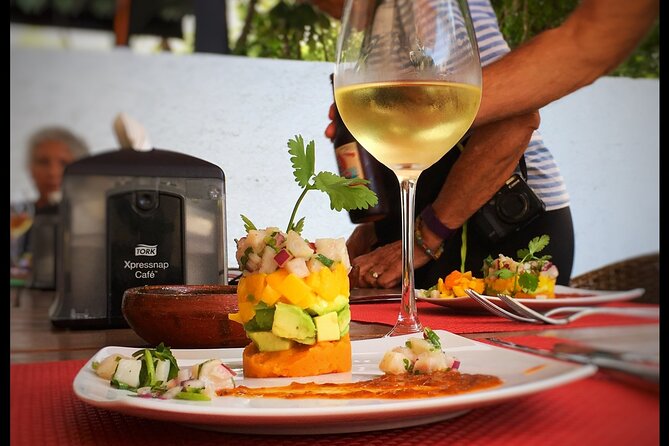
The menu changes by class and season, but you can use the sample menu as a strong guide for what the chef teaches: layered textures, chile depth, and sauces that aren’t afterthoughts.
Starter: Ceviche Timbal with chipotle aiño and totopos
A good starter in a Mexican cooking class should do two things: teach you how acidity and sweetness balance, and teach you how spice shows up without heat overload. This one follows that logic.
You’ll work with a ceviche timbal-style idea, with layers including sweet potato, avocado, mango, and fish ceviche, then served with chipotle sauce (aiño) and homemade totopos (tortilla chips). The combination is a nice lesson in contrast—creamy avocado, fruit brightness, starchy sweet potato, and the smoky chile note from chipotle.
Main (one of the options): Fish and shrimp in achiote, wrapped in banana leaves
This dish is where you learn “how Mexico wraps food.” Fish and shrimp get marinated with achiote, then wrapped in banana leaves and stuffed with mushrooms. You serve it with rice and xnipec sauce.
Why this is valuable: it teaches you that achiote isn’t just color. It’s aroma and seasoning structure. And banana-leaf wrapping isn’t only for presentation—it’s part of how the flavors stay together while cooking.
You can also read our reviews of more cooking classes in Playa del Carmen

Dessert: Caramelized flambeed bananas with rompope and roasted nuts
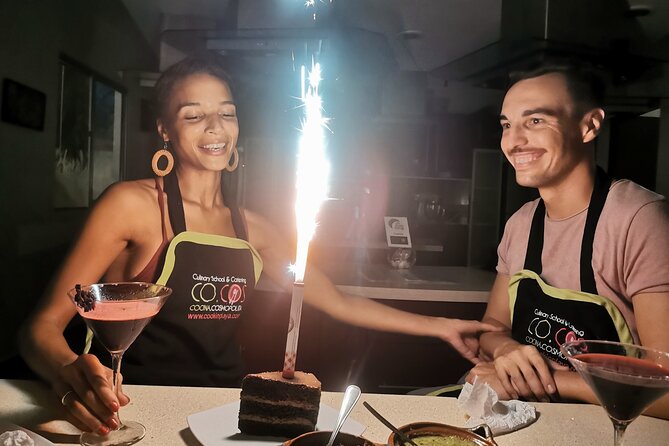
For dessert, you get caramelized and flambeed bananas served with rompope sauce, topped with ice cream and roasted nuts. It’s a sweet finish that still feels connected to the rest of the meal, because rompope is a dairy-and-spice style that complements warm fruit flavors.
Other menu paths you might cook
Depending on the day you choose and what the chef has planned, you might instead get a taco-style menu or a mole-focused menu.
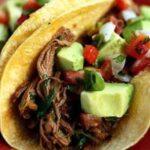
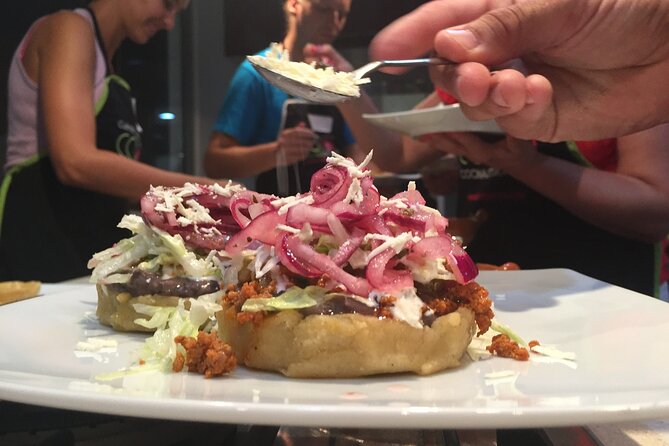
- TACO menu: salsas, homemade chorizo, pickled onions, refried beans, corn tortillas, guacamole, and grilled flank steak. This teaches assembly plus seasoning logic, especially how tortillas, beans, and chile-laced toppings work together.
- MOLES: green mole, black mole, poblano mole, and manchamanteles. Mole can feel intimidating at first, but the class structure aims to make it learnable—especially if you pay attention to the sauce steps and chile choices.
If you’re a foodie or hobby cook, this is also where the class wins as “repeatable.” One consistent theme from experiences is that the chef changes menus. So if you come back on a different day, you’re not just repeating the same recipe.
The pepper lesson: why this class pays attention to what’s in your sauce
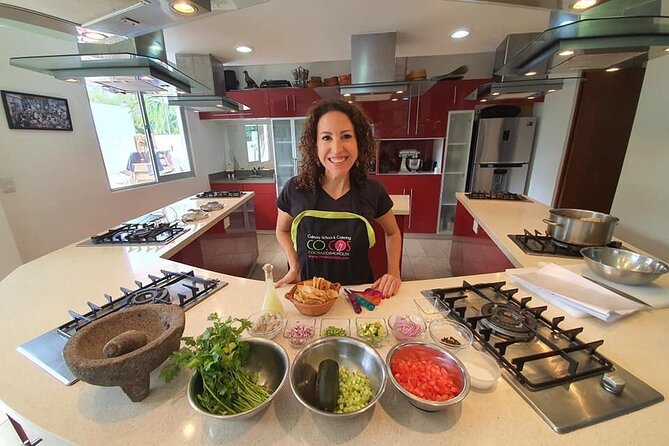
Mexican sauces often taste simple until you notice how many inputs are happening at once. This class teaches you peppers in a way that helps the food make sense, not just the recipe steps.
You’ll learn about fresh and dried peppers and how different chiles get used in specific dishes. You’ll also get samples—actual pepper references—so you can connect what you smell and taste to what you’re cooking with.
This matters when you’re cooking at home later. If you only remember a sauce’s final flavor, you’ll struggle to recreate it. But if you understand what dried chile contributed smoky depth or what fresh chile added freshness, you can adjust confidently.
Also, don’t skip the sauces focus. One review experience summed it up perfectly: Mexican cooking here is about sauces, and the chef’s instruction matches that. Expect time spent on technique—how sauces are built and how they get balanced.
Patio meal + wine and beer: how you get through the work without feeling rushed
Once cooking starts, you’ll have a steady flow through prep and cooking stages. What keeps it from feeling chaotic is the station-style format. Multiple people cook at once, and the chef and support staff check in so you’re not stuck guessing.
Then you eat. A lot of classes end with a polite plate. Here, you sit and relax with your group on the patio while you enjoy what you cooked, with wine and beer included. That’s not just comfort—it’s part of the learning. You can taste, ask questions, and connect flavors to steps while the instructions are still fresh in your head.
One extra plus from experiences: teaching seems to adapt to mixed skill levels and group needs. So if you cook sometimes and if you rarely cook, the structure still works.
Tequila vs mezcal tasting: what you’re actually learning at the end
The class ends with a tequila and mezcal lesson plus tastings—typically after dessert. It’s not just pouring drinks and letting you guess which is which.
You’ll learn the difference between tequila and mezcal and get a short history-style lesson that ties into the culture around them. One experience also mentioned additional agave spirits like bacanora and pulque being included in their tasting context, which suggests the chef likes to expand the story when it fits the class flow.
You’ll also taste while something sweet is on the table—caramelized bananas and rompope—so you can experience how the alcohol and dessert interact. That pairing makes it easier to remember flavors later.
Where it happens: meeting point in a gated community (and how to get there)
The meeting point is in El Cielo Residencial, on Carretera Federal km 95, 77727 Playa del Carmen. The experience ends back at the meeting point.
Transportation isn’t included, so you’ll likely use a taxi or rideshare. The location is residential and described as easy to find with the help of a YouTube video that many people reference, plus it’s in a safe neighborhood and gated community setting. If you hate last-minute navigation stress, watch the directions before you go.
Also note the class runs near public transportation. If you plan to use local buses or shared options, you’ll want to give yourself time to walk the last stretch.
Who this is best for (and who should choose another option)
This cooking class is a strong fit for:
- Couples, friends, or families who want a hands-on dinner plan in Playa
- Food lovers who care about peppers, chiles, and sauce technique
- Hobby cooks who want recipes they can repeat, not just a one-time experience
- Vegetarians and vegans, as long as you advise ahead so the chef can plan accordingly
It’s also a good choice if you like learning while eating—because the class teaches and then you taste right away.
You might choose differently if:
- You’re looking for a short sightseeing outing. This is a cooking block, not a quick hit.
- You don’t want to spend a few hours in the kitchen. Even the 1-course class takes effort.
- You’re traveling solo and need certainty. The minimum group size is 2, so ask about availability before locking your plans.
Price and value: $105 for a full learning meal plus tasting
At $105 per person, you’re paying for a few things at once: instruction, ingredients, equipment, and the meal itself—with drinks included—and a guided spirits tasting at the end.
What makes it feel like good value is the “hands-on” component. In many cooking classes, you watch a cook while you hold a spoon. Here, the format is built around everyone cooking at their own station, so your time is actively used. Add wine and beer, plus the tequila and mezcal lesson, and the overall bill feels more balanced than classes that only include light bites.
The 3-course version is usually the best deal in pure hours-to-food-to-instruction terms. If you’re already deciding between 1-course and 3-course, pick the longer option if you can spare the time and want more recipes.
Practical tips to get more out of your class
You’ll get better results with a little prep on your side.
- Arrive hungry, but not starving. You’ll be cooking for a while, so plan your day so you’re ready to work through the meal.
- Ask early about dietary needs. Vegetarian and vegan guests are welcome if you advise ahead.
- Pay attention to peppers and sauce steps. That’s the knowledge you’ll use at home, not just the finished plate.
- Don’t rush your questions at the table. The best time to clarify flavor choices is right while you’re eating.
If you’re a solo traveler, email or message ahead to check that the class meets the minimum group size.
Should you book Co.Cos Mexican Cooking with Tequila and Mezcal?
I think you should book if you want an authentic Mexican meal with real technique behind it. The home-kitchen format, the station setup, and the pepper-and-sauce teaching make this more than a fun dinner plan. Add the tequila and mezcal lesson at the end, and you get a full arc: cook, eat, learn, taste.
I’d skip it only if you want a quick tour-style activity or if you’d rather not spend several hours cooking. Otherwise, this is the kind of class that leaves you with recipes and confidence, not just photos.
FAQ
What meals are included in the cooking class?
You choose a 1-course or 3-course class, and the included meal covers lunch or dinner depending on the chosen day. Drinks are included, along with use of cooking equipment and the recipes.
How long is the 1-course vs 3-course class?
The 1-course option runs about 3 hours (Tuesdays or Thursdays). The 3-course option runs about 5 hours (Mondays, Wednesdays, or Fridays).
Is transportation included?
No. Transportation is not included, and the experience meets at El Cielo Residencial on Carretera Federal km 95. The tour ends back at the same meeting point.
Is the class offered in English?
The experience is offered in English.
Can vegetarians or vegans join?
Yes. Vegetarian and vegan guests are welcome, but you should advise ahead of time so the chef can plan for dietary needs.
What if I’m traveling solo?
The minimum group size is 2 to open a class. If you’re a solo traveler, check availability before booking.