REVIEW · PLAYA DEL CARMEN
Scuba Diving for Beginners – Tulum Dive Machine
Book on Viator →Operated by The Dive Machine Diving Playa Del Carmen · Bookable on Viator
That first underwater moment can feel intimidating. This 5-hour beginner program starts at Casa Cenote with training you can actually grasp.
I especially love that you do a theory session plus shallow-water practice right at the cenote, then move on when you feel ready. The other big win for me is the clear, guided path from calm water to an open-reef encounter near Tulum.
One thing to consider: it runs early, and there’s an extra MX$500 environmental tax per person plus tips on top of the $198 price.
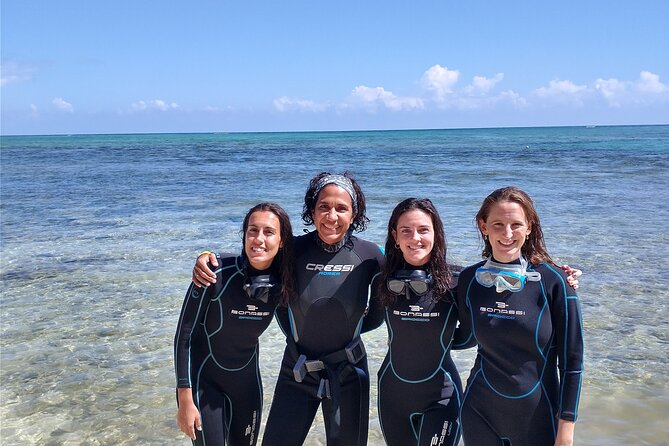
If you’re nervous, that’s normal. Instructors like Paulina, Ezequiel, Ricardo, Freya, and Fonsi come up repeatedly for helping first-timers feel comfortable, with calm coaching and patience during the basics.
In This Review
- Key things I’d plan for
- Casa Cenote: training under mangroves, not in a classroom
- Tank 1 in a calm cenote: learning control before chaos
- The switch-tank break: snacks, fruit, and reset time
- Cuevitas Reef: coral, fish, turtles, and stingrays
- Universal Inclusion: a school built for different abilities
- Gear, boat transport, and why the included stuff is the real value
- Price and what you should actually budget (it’s not only $198)
- Timing and meeting point: getting started without stress
- Who should book this beginner scuba session
- Should you book it?
- FAQ
- How long is the experience?
- What’s included in the $198 price?
- What extra costs should I expect?
- Where do I meet, and when does it start?
- Is it only for experienced divers?
- Can I fly right after the tour?
Key things I’d plan for
- Cenote-first setup at Casa Cenote: theory and shallow-water practice before you go deeper
- Two tank sessions with gear provided and a structured pacing for beginners
- Small group size (max 3 travelers) for more attention and less waiting around
- Cuevitas Reef second stop for corals plus sea life like turtles and stingrays
- Surface interval with snacks: water, a sandwich, and fresh fruit between tanks
- Universal Inclusion adaptive programs for divers of different abilities, taught safely and comfortably
Casa Cenote: training under mangroves, not in a classroom
The day starts with a plan that makes sense. You begin with scuba theory and then move straight into shallow-water training at Casa Cenote. Instead of trying to learn concepts far from the water, you learn them where you’ll use them.
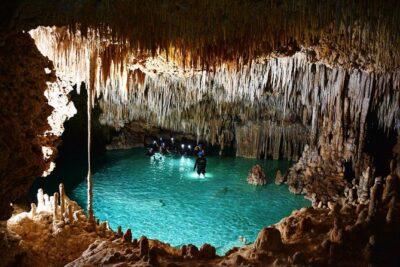
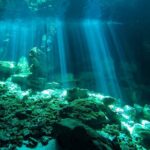
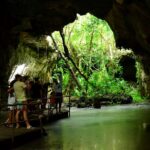
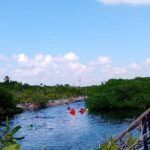
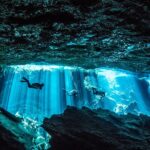
Casa Cenote is an open cenote—meaning you’re not sealed off in a cave. You get that “wow, this is real” feeling fast, with clear water and the sense of being inside a natural park-like space. That helps you stay focused on what matters: breathing, buoyancy, and how to move calmly while wearing gear.
If you’ve got first-time jitters, this step is where you build confidence. Instructors named in past bookings, including Paulina and Ricardo, are repeatedly praised for getting nervous divers through the fundamentals without rushing. You’ll likely get guidance that follows the same order you practice: understand it, demonstrate it, then apply it.
You can also read our reviews of more scuba diving tours in Playa del Carmen
Tank 1 in a calm cenote: learning control before chaos
After the shallow practice, you take your first tank session in the cenote. This is the best part of the whole format for beginners because it’s a controlled environment: the water is still, and you’re not fighting waves or strong currents.
What you’ll feel most (besides the novelty) is how the instructor’s coaching translates into motion. The cenote setting makes it easier to focus on a few key skills—like staying level, using controlled breathing, and clearing if needed—without the mental load of complicated navigation.
This is also where you may get those fun, unexpected moments that make the day memorable. One instructor, Ezequiel, was described as leading a refresher at the cenote and even noting a local alligator—so you might find the cenote experience includes more than just scuba skills. Nature here is part of the lesson, not just decoration.
The switch-tank break: snacks, fruit, and reset time
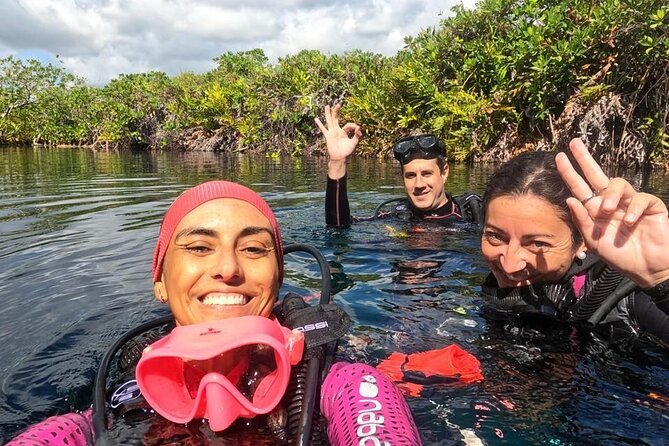
Between tanks, you take a short surface interval. That’s not just a timing gap; it’s a chance to reset. You’ll switch tanks, grab water, eat, and refuel before the boat ride.
Included in the break are a sandwich and fresh fruit, plus snacks. For a beginner day, this matters more than you’d think. You’re learning a lot, using energy you didn’t plan for, and doing it in warm conditions. A real bite to eat helps you stay calm for the second session instead of turning hungry and cranky underwater’s biggest enemy.
This is also when your instructor will likely do quick check-ins—how you felt with the first tank, anything you want to adjust mentally, and what to expect next. That pacing is one reason this itinerary works for people who start out worried.
Cuevitas Reef: coral, fish, turtles, and stingrays
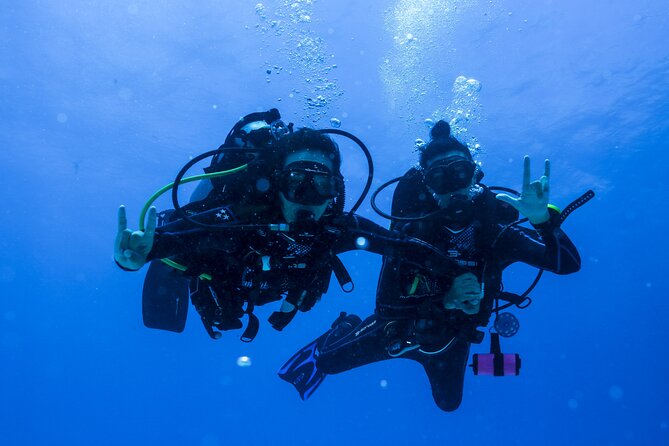
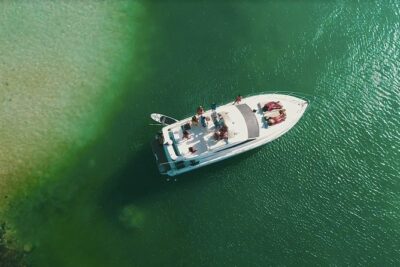
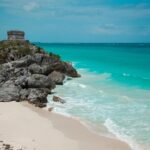
After the break, you head to your second tank session at Cuevitas Reef. It’s a short boat ride from Tulum, so you get the change of scenery without having to commit to an all-day open-water trip.
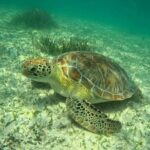
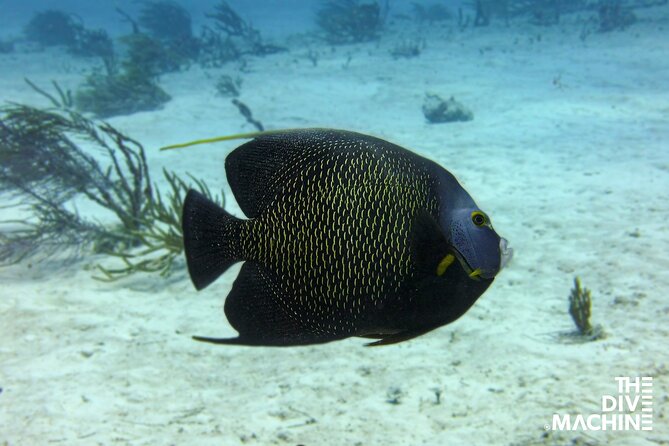
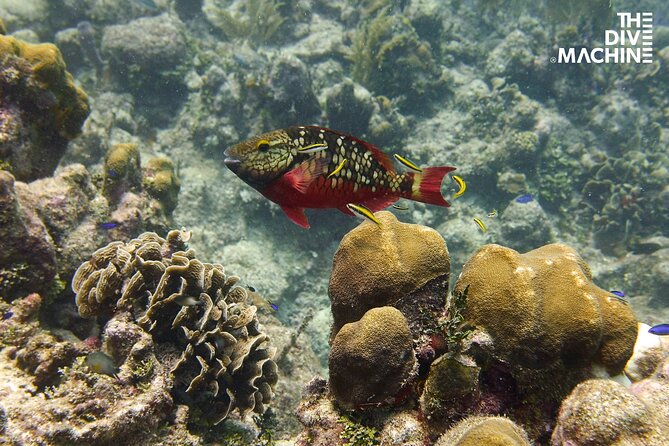
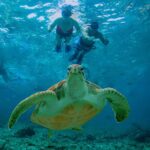
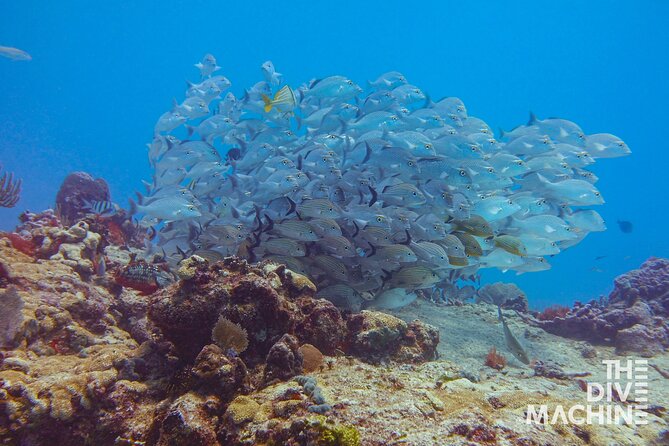
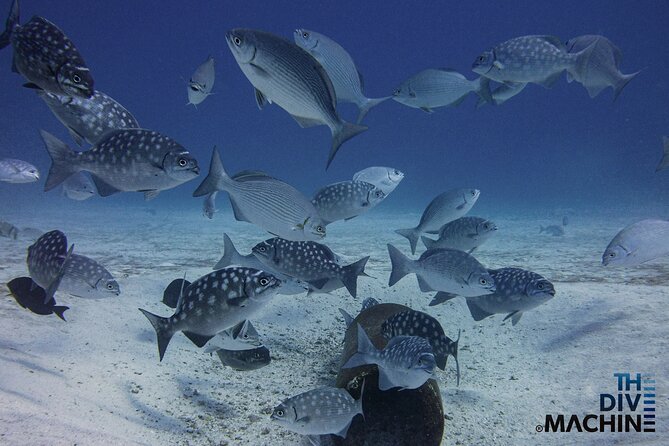
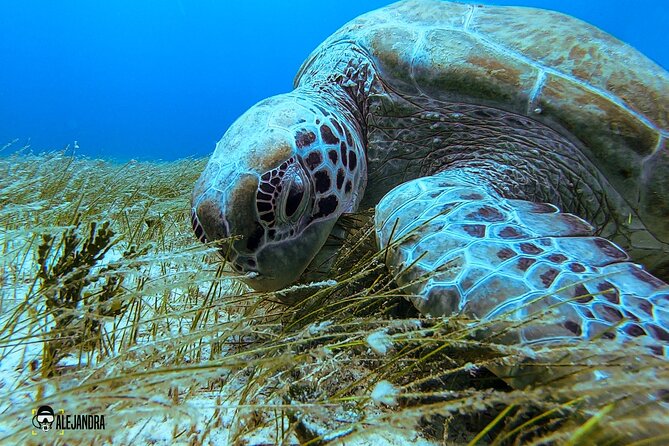
At Cuevitas, the goal for beginners is usually simple: see real reef life while staying within comfortable limits. You can expect coral formations and plenty of opportunities to spot sea life. The tour description calls out tropical fish, turtles, and stingrays, and those are exactly the kinds of animals beginners love seeing because they’re not hiding behind a lot of complicated terrain.
In past experiences, rays and even lobster sightings showed up in the second half of the day. Those moments happen when conditions cooperate and the instructor brings you to good viewing areas. Even if you’re not thinking like a marine biologist, you’ll be amazed at how much life you can notice when someone helps you slow down and look.
Universal Inclusion: a school built for different abilities
One standout feature in this program is that it’s designed with Universal Inclusion in mind, with adaptive scuba programs for divers of all abilities. That’s not just marketing language here—it changes how you should think about the experience.
If you need more reassurance, additional steps, or an easier path to participation, this structure is meant to support it. You’re not expected to “fit in” with a one-size-fits-all approach. The teaching is oriented toward making the underwater world safe and comfortable for a wider range of divers.
The small group size helps too. With a maximum of 3 travelers, you’re less likely to feel like you’re stuck waiting your turn. You often get more individualized feedback, which matters a lot when you’re learning buoyancy and timing for the first time.
If you travel with a service animal, the tour also notes that service animals are allowed. And since the meeting point is near public transportation, you’re not stuck figuring out a complicated private transfer just to get to the start.
Gear, boat transport, and why the included stuff is the real value
The $198 price includes the stuff that usually eats your budget on scuba days:
- Two tanks in open water
- Full dive gear
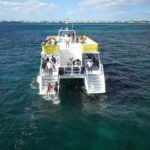
- Boat transportation
- Snacks and water
That’s a practical bundle. For beginners, gear can be confusing, and rentals elsewhere can add up fast. Having the full kit handled for you means you spend your brainpower on learning instead of on logistics.
Boat transport is also key. Reef time depends on getting to the right water. If you’ve ever tried to self-arrange to a reef location, you know how quickly “cheap” turns into “why am I stressed.”
On the other hand, a couple costs aren’t included. You’ll want to budget for tips and the environmental tax (MX$500 per person). And hotel-to-school transportation is not included, so plan your way to the meeting point.
Price and what you should actually budget (it’s not only $198)
At $198 per person, this is positioned as a beginner-friendly scuba day with two tank sessions and a structured training flow. For a first-timer, that combination is where the value comes from: you’re not paying to “check a box,” you’re paying for coaching plus two underwater opportunities.
Still, don’t forget the add-ons so you don’t get surprised at the end:
- Environmental tax: MX$500 per person (not included)
- Tips (not included)
- Transportation from your hotel (not included)
Also keep in mind the time cost. The start time is 8:00am, and you’re looking at about 5 hours total. If you’re building a tight itinerary around other tours, this early slot may be a pain—or it may be perfect because you’ll finish before the heat and crowds peak.
One more practical note: after your underwater sessions, you must wait at least 24 hours before flying. That’s not something to ignore if you’re chaining this with a flight the next day.
Timing and meeting point: getting started without stress
You meet at Calle 6 Nte Bis. 227, Solidaridad, 77710 Playa del Carmen, Q.R., Mexico. The tour begins at 8:00am, and it ends back at the meeting point.
Because the group cap is 3 travelers, you’ll likely want to arrive a few minutes early. Early doesn’t mean dramatic; it just helps when you’re figuring out paperwork, getting suited, and doing that first pre-water check.
It’s also listed as near public transportation. If you’re staying in Playa del Carmen and you don’t want to spend extra on a private transfer, this is an advantage.
Confirmation is received at the time of booking, and you can cancel for a full refund if you cancel far enough in advance (the exact cut-off is noted in the provided rules). The tour also requires good weather, so a plan B date may be offered if conditions are poor.
Who should book this beginner scuba session
This experience is best when you want a guided, confidence-building day. You’ll likely love it if:
- It’s your first time with scuba and you want training right where you’ll use it
- You prefer a small group and more direct coaching
- You’re interested in two different environments: cenote calm first, then reef life
- You want a program designed for different abilities through Universal Inclusion
It might not be ideal if:
- You need a schedule that leaves room for a flight soon after
- You hate early mornings (this starts at 8:00am)
- You don’t want to handle extra fees like the MX$500 environmental tax and tips
Should you book it?
I’d book this if you’re a beginner and you want the learning curve handled with care. The structure—theory plus shallow practice at Casa Cenote, then two tank sessions with a solid break in the middle—feels built for people who want clarity, not chaos.
If you’re the type who gets nervous underwater, the coaching focus is a huge plus, and names like Paulina, Ricardo, Paulina, Ezequiel, Freya, and Fonsi show up as examples of instructors who help first-timers feel steady. And the small-group size (max 3) plus Universal Inclusion approach is exactly what you want if you care about comfort and control.
Just remember to budget for the environmental tax and tips, and plan on that 24-hour flight buffer. If those are workable, this is an excellent way to experience both cenote and reef life in one morning.
FAQ
How long is the experience?
It’s about 5 hours total.
What’s included in the $198 price?
The price includes 2 tanks in open water, full dive gear, boat transportation, and snacks and water.
What extra costs should I expect?
The environmental tax is MX$500. Tips are not included, and transportation from your hotel to the school is not included.
Where do I meet, and when does it start?
You meet at Calle 6 Nte Bis. 227, Solidaridad, 77710 Playa del Carmen, Q.R., Mexico. The start time is 8:00am, and it ends back at the meeting point.
Is it only for experienced divers?
No. It’s a scuba program for beginners and includes adaptive scuba programs designed with Universal Inclusion.
Can I fly right after the tour?
No. You must wait at least 24 hours after the scuba sessions before flying.