REVIEW · RIVIERA MAYA
From Tulum: Tulum Ruins and 2 Cenotes Tour
Book on GetYourGuide →Operated by EKINOX TOURS · Bookable on GetYourGuide
Tulum’s temples, then cool off in cenotes. I like how this tour strings together Tulum’s ancient ruins with a real swim break at Cenote Mariposa, so the day feels like two different worlds in one. I also like the guided walk—your guide helps you understand what you’re seeing instead of just wandering ruins and guessing. One heads-up: pickup and traffic can push the start time later than you expect, so plan for heat if you’re arriving in the area late.
You’ll ride in air-conditioned round-trip transport, get live commentary in English and Spanish, and even get help at the entry point with skip-the-ticket-line access. It’s a good value day trip if you want culture plus water without complicated planning.
In This Review
- Key Things I’d Focus On Before You Go
- Tulum Ruins: Why This Seaside Maya Site Still Wows
- Temple of the Frescoes and the Solar Angle
- Pyramid El Castillo and the Classic Coast Views
- Temple of the God of the Wind: A Meaningful Stop
- Canamayte Eco Park: How to Use the 1-Hour Break Well
- Cenote Mariposa: Jungle Swim Time Without the Stress
- Chen-Ha Cenote: The Second Water Stop That Changes the Day
- Transport, Timing, and the Realities of Getting There
- What’s Included for $42—and What Costs Extra
- What to Pack (So You Don’t Regret It at the Cenotes)
- Who This Tour Fits Best (And Who Should Skip)
- Should You Book This Tulum Ruins and Two Cenotes Tour?
- FAQ
- How long is the Tulum ruins and cenotes tour?
- Where is the meeting point?
- What cenotes are included?
- Is admission to Tulum ruins included in the price?
- What languages will the tour guide speak?
- What should I bring, and what can’t I bring?
Key Things I’d Focus On Before You Go
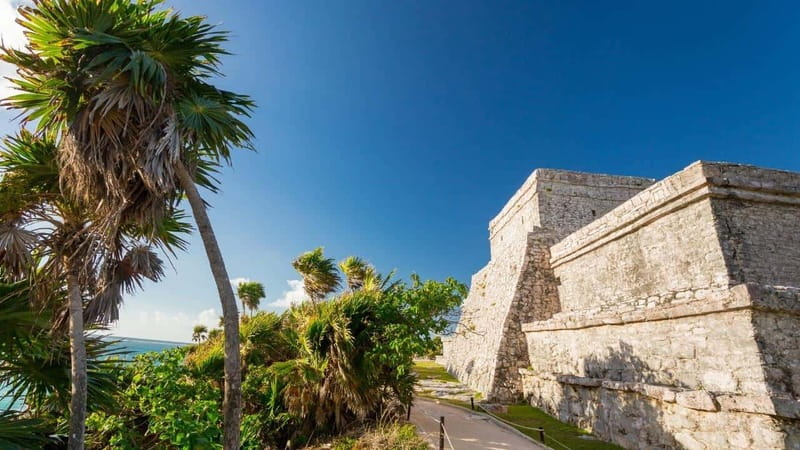
- Tulum’s Temple of the Frescoes + Temple of the God of the Wind: easy highlights to aim for during the guided walk.
- Two cenote swims: Cenote Mariposa plus another stop (Chen-Ha), so you’re not just doing one quick dip.
- Skip-the-ticket line: saves time at a site that can get slow at entry.
- AC transport with hotel pickup/drop-off: less stress, more time on the fun parts.
- Some free time and shower/changing setup at the cenotes: helpful if you want photos and a comfortable reset.
- Uneven ground + no large luggage: bring the right shoes and travel light.
Tulum Ruins: Why This Seaside Maya Site Still Wows
Tulum Archaeological Zone is the kind of place that looks beautiful from a distance—and then gets better the closer you get. The big draw is the setting: you’re looking at Maya structures right near the Caribbean coast, with ocean light bouncing off the stone. The other draw is context. With a guide, the ruins make more sense fast: you’re not just reading plaques, you’re hearing what the buildings were for and how the Maya people thought about their world.
The guided part is about about 2 hours at the site. That’s enough time to hit the major sights without turning the day into a long endurance test. Still, it’s a walking tour through uneven, unpaved terrain, so comfortable footwear matters. If your plan is to race through for photos only, you’ll probably feel rushed; if you’re happy to slow down for explanations, you’ll get much more out of it.
You can also read our reviews of more tours and experiences in Riviera Maya.

Temple of the Frescoes and the Solar Angle
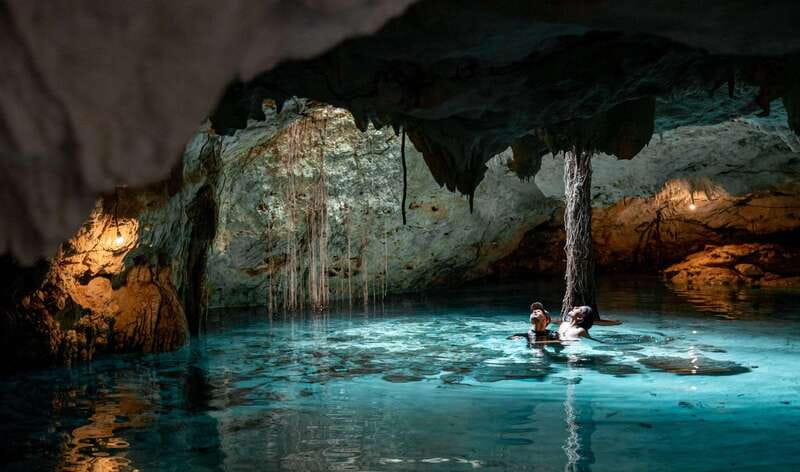
The Temple of the Frescoes is one of Tulum’s most famous stops, and for a good reason. The guide typically points out the features that make this temple special, including the kind of solar alignment people associate with the site’s observatory angle. Even if you’re not a history nerd, it helps to have a human translate the geometry while you stand in the exact spot—your brain understands it immediately.
This is also where timing matters. You want to arrive ready to look up and around. The frescos temple area can be crowded at entry, and some days the pace depends on the group flow. The tour is designed to keep things moving with a guided walk plus photo time, but the site entry can still get slow.
If you like your photos with context—like getting a shot that matches what you’re hearing—this is a great temple to focus on rather than trying to capture everything at once.
Pyramid El Castillo and the Classic Coast Views
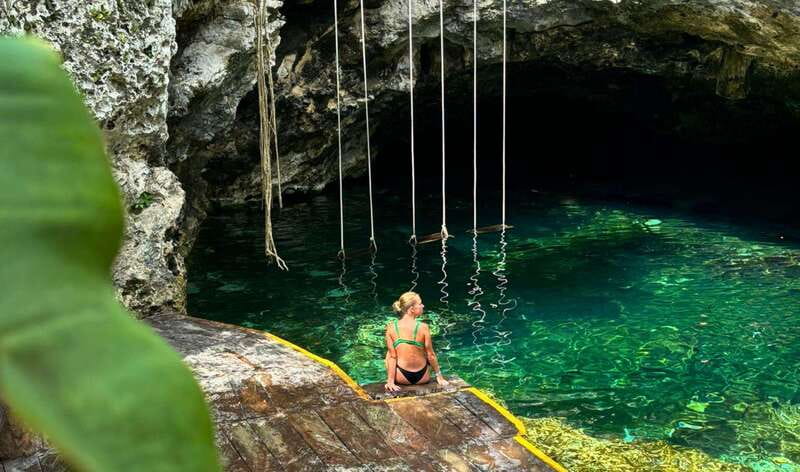
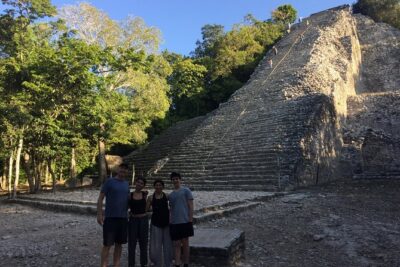
The Pyramid El Castillo is the photo magnet. It’s often the shot people come to Tulum for, and it’s a good one. The key is to position yourself for both the structure and the coastal vibe around it, because Tulum’s charm is the pairing: stone + sea + sky.
The good news: your day includes time for once-in-a-lifetime photos. The not-so-good news: you may have less roaming freedom than you want. Some people feel the ruins portion is a bit fast, usually because the tour is balancing a group schedule plus cenote timing. If you’re the type who wants to wander without a clock, you might wish you had more total time at the site.
Temple of the God of the Wind: A Meaningful Stop
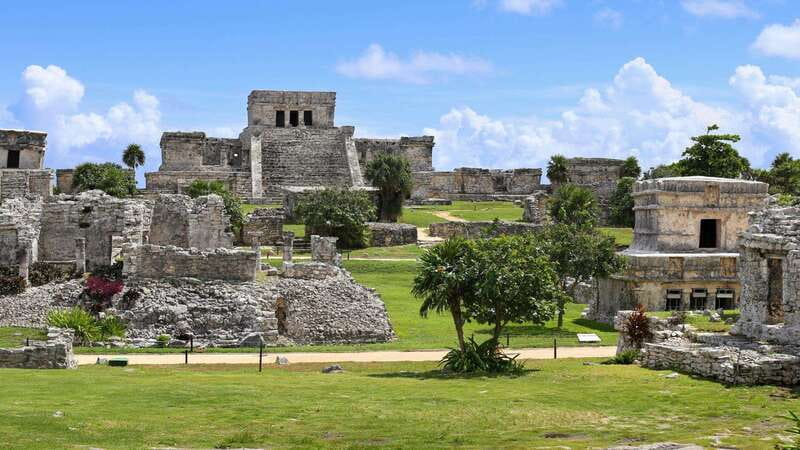
The Temple of the God of the Wind is another big highlight, and it fits the tour’s theme: Tulum isn’t just old buildings—it’s a place with symbolic meaning. With a guide, you’re more likely to notice patterns in how the structures relate to wind, movement, and the environment.
This is also a temple where you’ll benefit from paying attention to details your guide points out, because it can be tempting to see it as another view deck. A guide helps you notice what you’d otherwise miss—especially if you’ve never studied Maya architecture before.
Canamayte Eco Park: How to Use the 1-Hour Break Well
Between the ruins and the cenote portion, you’ll get a free-time break at Canamayte Eco Park for about an hour. With a stop like this, the real win is simple: it gives you a pause between the walking heat and the water part of the day.
What you can realistically do in an hour depends on what’s open that day, but think of it as your reset window:
- Use it for quick bathroom time, water refills, or a snack if you didn’t add a lunch/drinks option.
- Walk around if you want photos and a taste of the local tourist setup.
- If you’re shopping, keep it quick and don’t let it cut into your cenote swim time.
One traveler described this mid-day stop as including small-scale attractions like a spiritual cleansing option and gift-style activities, which tells you the tone is more casual and commercial than the archaeological zone. That’s not automatically bad—just know what you’re walking into.


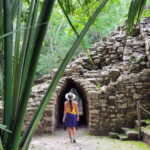
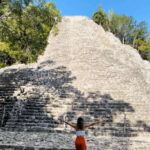


Cenote Mariposa: Jungle Swim Time Without the Stress
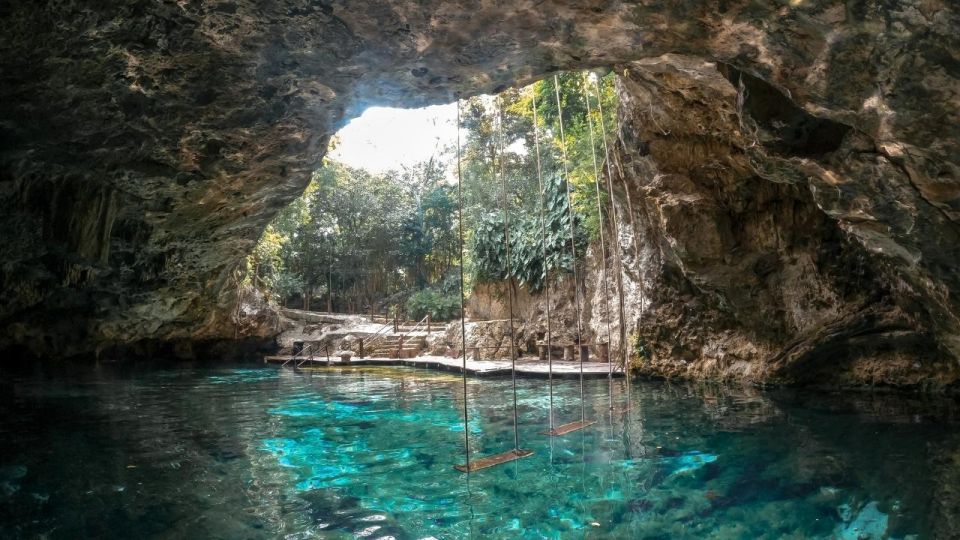
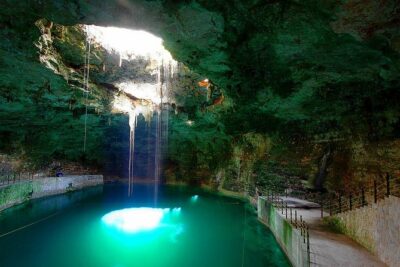
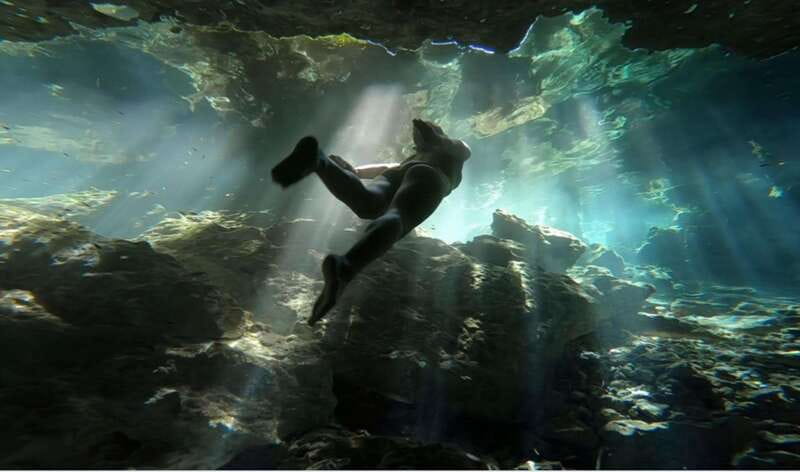
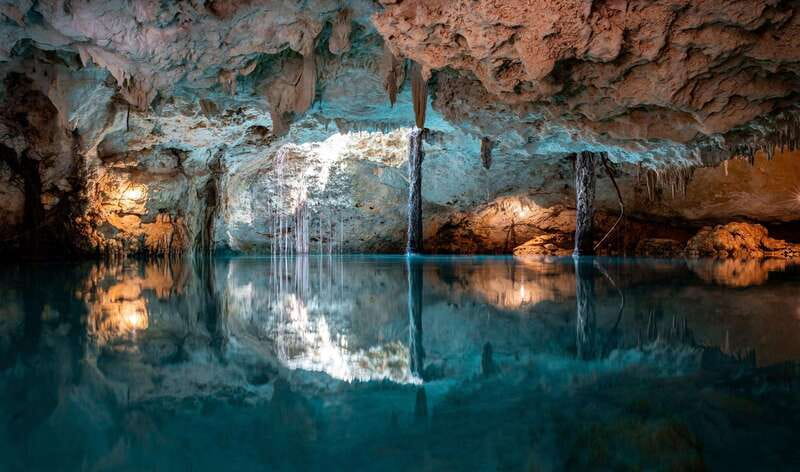
Then comes the part most people remember: Cenote Mariposa. This is where the tour shifts from history to water, and that swap is exactly why the day works. The cenote setting is cooler and calmer than the sunlit ruins, and it feels like a true break.
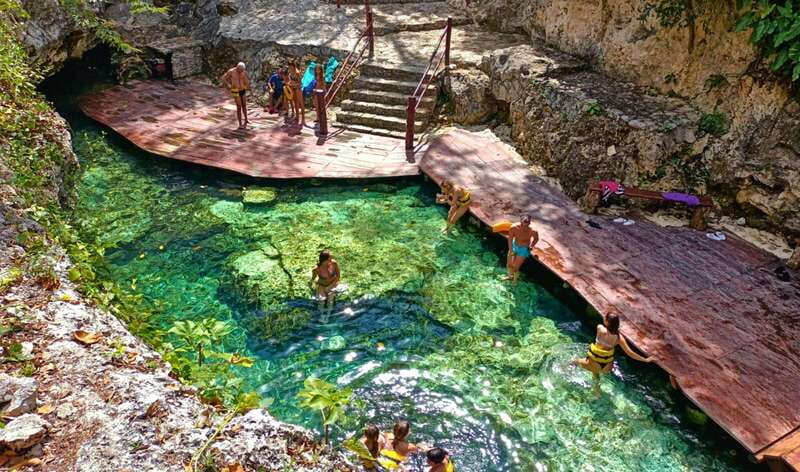
The swim setup includes admission (so you’re not scrambling for tickets onsite). And several practical details show up in traveler feedback: there are showers and changing rooms, which makes a big difference when you’re planning to spend time in and out of the water. It’s also a more comfortable way to handle the wet-to-dry transition before you get back on the van.
What to expect at the cenote:
- You’ll wear swimwear and move carefully over the setup around the water.
- You’ll likely have enough time for a relaxed swim plus photos.
- If the cenote is busy, the trick is to time your swim moment—go when you see fewer people clustering.
If your biggest worry is feeling uncomfortable changing or leaving wet gear in a hot car, this part of the tour is built to solve that.
Chen-Ha Cenote: The Second Water Stop That Changes the Day
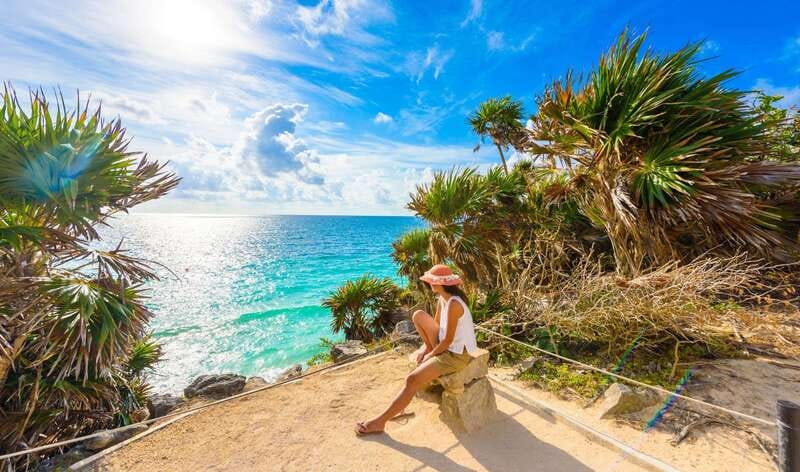
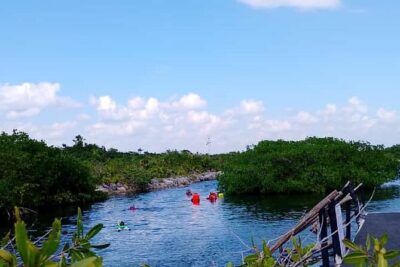
After Mariposa, you’ll also visit Chen-Ha Cenote as part of the included cenote admission. The second cenote stop is valuable because it changes the feel of the day. One cenote is nice; two means you’re more likely to get the water experience you imagined: different lighting, different feel, and enough variety that the tour doesn’t feel repetitive.
Some travelers specifically noted that one part of the cenote experience can feel quieter than the other, and that can help if you want a moment for photos or just to breathe. You’re still dealing with a nature site—so it’s not a theme park—but it’s a strong “culture + cool down” combo.
Also, remember the ground rules: you’re there to swim, but you’re also there to walk a bit. Bring footwear you trust if you’re stepping around wet areas.
Transport, Timing, and the Realities of Getting There

This tour is built around hotel pickup and drop-off, with AC transport and live commentary in English and Spanish. That’s a big plus if you hate logistics. But the trade-off is time. Pickup routes can involve multiple stops, and that can eat into the morning.
Here’s the practical takeaway: the activity start time isn’t always the same as pickup time. You’ll get the correct schedule via the confirmation email you receive—use that as your source. If you’re aiming to beat the midday heat at the ruins, don’t assume the early pickup message automatically equals early arrival at the archaeological zone.
Delays can happen for normal reasons like traffic or even minor incidents on the road. The tour runs rain or shine, too, so bring weather gear. If the weather turns wet, you’ll still be walking uneven terrain.
What’s Included for $42—and What Costs Extra
At $42 per person, this is priced as an efficient “set day” that covers the guide, transport, and the cenote admissions. For many people, that’s the value sweet spot: you’re paying to have someone handle the route and provide explanations, and you still get two water stops.
Included items you’ll feel on the ground:
- Guided tour of Tulum
- Admission to Mariposa Cenote and Chen-Ha Cenote
- Skip-the-ticket line
- 1 bottle of water
- A beach bag, sunscreen, and bug repellent if that option is selected
- Optional extras like a box lunch or drinks package, depending on what you choose
What you should budget for separately:
- Tulum entry fees and taxes, plus New Tulum Entry through Parque del Jaguar fees: $40 USD per adult and $20 USD per child. Mexican ID holders with INE may have reduced fees.
My advice on value: don’t get surprised by the entry fee. Factor that in before you compare prices with other tours, and you’ll have a clearer picture of what you’re really paying for.
What to Pack (So You Don’t Regret It at the Cenotes)
You’ll want a simple, functional packing list. The tour asks you to bring:
- Passport or ID card
- Comfortable shoes (for uneven/unpaved terrain)
- Swimwear
- Towel
- Rain gear
- Comfortable clothes
- Weather-appropriate layers
And leave behind:
- Luggage or large bags
- Drones
- Tripods
If you can, pack light. You’ll be moving between a ruin site and water areas, and a heavy bag just becomes a hassle.
Who This Tour Fits Best (And Who Should Skip)
This is a solid match if you want:
- A guided overview of Tulum without doing it yourself
- A day that includes both ruins and cenote swimming
- AC transport and hotel pickup to reduce stress
It’s not suitable for people with mobility impairments, mainly because the walking and uneven terrain are part of the experience.
If you’re the type who wants maximum time at one place, consider whether you’d rather do Tulum separately on a slower schedule. This tour is efficient by design, so the trade-off is pace.
Should You Book This Tulum Ruins and Two Cenotes Tour?
If you want a straightforward day—ruins in the morning, cool off in cenotes after—this tour is a good pick. The combination of guided Tulum highlights (including the Temple of the Frescoes and the Temple of the God of the Wind) plus two included cenote stops makes the $42 price feel more like a package than a random outing.
Book it if:
- You like the idea of structured guidance at Tulum
- You want a swim day without ticket hassles
- You’re okay with a schedule that keeps moving
Skip or adjust plans if:
- You’re very heat-sensitive and want guaranteed early entry (pickup routes can shift your timing)
- You hate tight timing at archaeological sites
- You need mobility accommodations (uneven terrain is part of the day)
If you do book, use the confirmation email for your real start time, pack swim gear and rain gear, and aim for comfortable shoes. Do that, and you’ll get the best parts of Tulum without turning your day into a logistics puzzle.
FAQ
How long is the Tulum ruins and cenotes tour?
The tour lasts about 5 to 6.5 hours.
Where is the meeting point?
You’ll meet just outside the Starbucks Cafe at Starbucks Tulum DT.
What cenotes are included?
Admission includes Cenote Mariposa and Chen-Ha Cenote.
Is admission to Tulum ruins included in the price?
No. Tulum entry fees and taxes, plus New Tulum Entry through Parque del Jaguar fees, are not included and cost $40 USD per adult and/or $20 USD per child (with reduced fees for Mexican with INE ID).
What languages will the tour guide speak?
The live tour commentary is available in English and Spanish.
What should I bring, and what can’t I bring?
Bring a passport or ID, comfortable shoes, swimwear, a towel, rain gear, and comfortable clothes. Don’t bring luggage or large bags, and drones and tripods aren’t allowed.