REVIEW · PLAYA DEL CARMEN
Coba, Tulum, Multun-Ha Cenote and Mayan Museum Reduced Group
Book on Viator →Operated by Excursiones Riviera Maya · Bookable on Viator
Start early, then hit three Mayan highlights. This tour strings together Tulum before the crowds and the jungle ruins of Coba, then finishes with a swim or view at Multun-Ha cenote. I like the small-group setup (max 15) and the way the guide keeps the day feeling organized instead of chaotic. The main drawback to plan for: Tulum’s access/local tax isn’t in the base price, and it’s a long, hot day with plenty of walking.
I also appreciate the practical guidance that shows up again and again with different guides—people name guides like Jesus and Tonancy as examples of how they push you to make smart time choices. One tip that can matter a lot at Coba: go straight toward the climbable ruins early to reduce your waiting. Add in early pickup (Tues–Sun) and bumpy Yucatán roads, and the tour works best if you come ready for a full day, not a relaxed, sit-everywhere kind of outing.
In This Review
- Key highlights worth paying attention to
- The 10-hour loop that makes sense: Tulum, the Jaguar Museum, Coba, then Multun-Ha
- Tulum archaeological site: early access, scenic viewpoints, and the one extra cash cost
- Parque del Jaguar Mayan Museum: the 45 minutes that makes Coba click
- Coba jungle time: bikes/tricycles, big ruins, and the pyramid climb reality
- Multun-Ha Cenote: swim-ready or calm-view, with clear cold water
- Guides and drivers: why the small group changes the whole day
- Food and value: lunch, bottled water, and what’s included vs not
- Comfort tips for a long hot day in the Yucatán
- Who should book this reduced-group Coba, Tulum, and cenote day
- Should you book it?
- FAQ
- Is the Coba pyramid climb included?
- Do I have to pay anything in cash for Tulum?
- What’s included in the tour price?
- Are drinks included with lunch?
- How many people are in the group?
- What are the rules about bottles or food at Tulum?
Key highlights worth paying attention to
- Early Tulum timing helps your photos and your sanity
- Max 15 travelers keeps the pace human and the questions coming
- Coba jungle exploring with time to get around, plus a real note on the pyramid climb
- Multun-Ha cenote swim time with clear, cold-feeling water
- Museum stop at Parque del Jaguar gives you context before you hit the big ruins
- Lunch + transportation included, but drinks are not
The 10-hour loop that makes sense: Tulum, the Jaguar Museum, Coba, then Multun-Ha
The schedule is built like a story: first the famous coast-side ruins at Tulum, then museum context at the Jaguar Park area, then deeper jungle into Coba, and finally a cool-down swim at Multun-Ha. That order matters because it helps you understand what you’re seeing rather than just ticking off sites.
You’re looking at about 10 hours on the clock, usually with a very early departure window. One repeat pattern from the experience: the morning starts early so you can beat crowds at Tulum. Once you’re done with Coba, you have a practical payoff—cenote water time—so the last hours don’t feel like pure endurance.
The tour does include hotel pickup and drop-off across much of the Riviera Maya (with the note that Cancun and Costa Mujeres aren’t covered). That’s a genuine value point. When you don’t have to coordinate a separate meeting point, you save time and reduce stress—especially on a day where you’ll be moving a lot.
You can also read our reviews of more museum experiences in Playa del Carmen


Tulum archaeological site: early access, scenic viewpoints, and the one extra cash cost
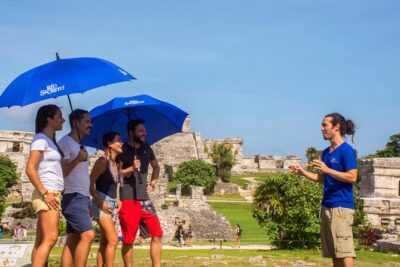
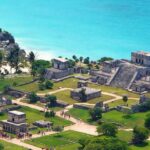
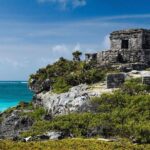
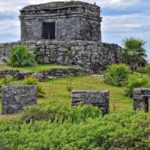
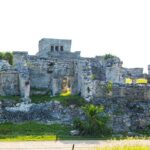
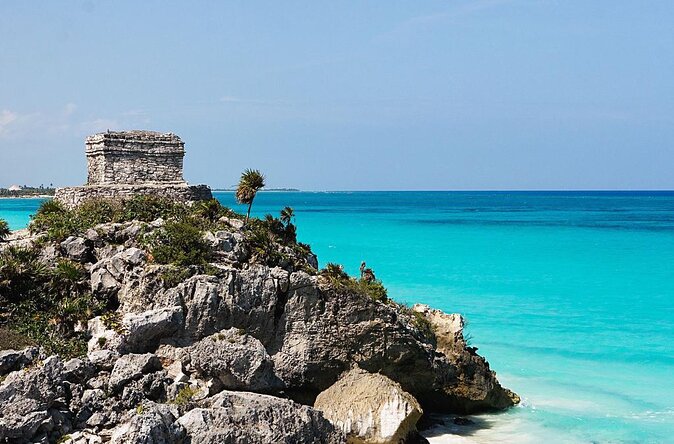
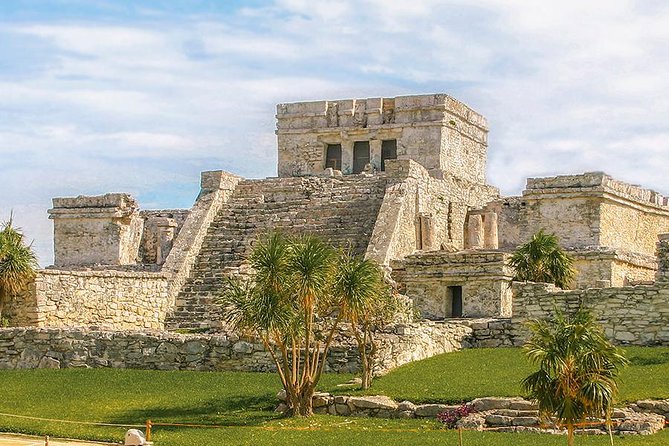
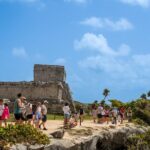
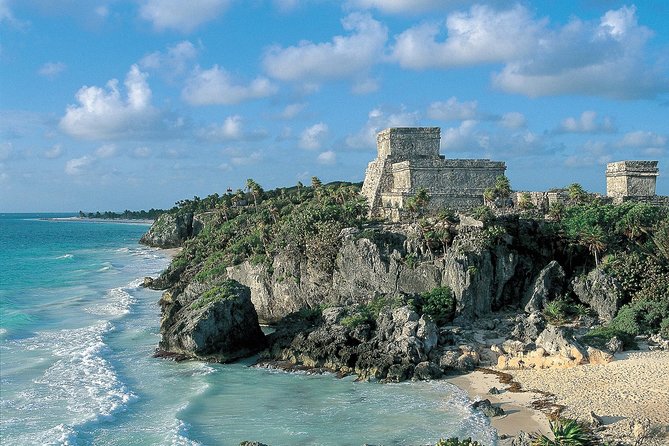
Tulum is the big opener: you get about two hours at the Tulum archaeological site, plus scenic viewpoints time in the area. Expect plenty of walking and standing. The upside is that the setting is dramatic—so the effort pays off in photos and in how the ruins feel perched over the coast.
One practical thing: Tulum’s site access/local tax is not included in the base price. The tour sets a cash amount you’ll need to handle on boarding:
- Adult access fee: $45 USD per person (cash)
- Child access fee: $30 USD per person (cash)
Plan this early. It’s not the kind of thing you want to scramble for while your group is trying to depart. Also note the on-site rule about bottles/food packaging at Tulum: disposable packaging is restricted, so bring a non-plastic reusable water bottle if you can.
Parque del Jaguar Mayan Museum: the 45 minutes that makes Coba click
Between Tulum and Coba, there’s a shorter stop at Parque del Jaguar with a Mayan Museum inside the park. You get around 45 minutes here, and it’s the kind of “context chunk” that pays off later.
What I like about this museum pause is that it helps you shift from spotting structures to understanding the people behind them. You’ll see Mayan artifacts and objects like vessels and sculptures, and the exhibits connect to architecture and everyday life themes. It’s not trying to replace a full museum day—it’s doing one smart job: preparing you to read the ruins at Coba with better questions in your head.
Because the museum stop is brief, you’ll want to stay mentally switched on. This is not the place to zone out and wait for the next bus. If you do listen (even a little), Coba becomes more than “big stone walls in the jungle.”
Coba jungle time: bikes/tricycles, big ruins, and the pyramid climb reality
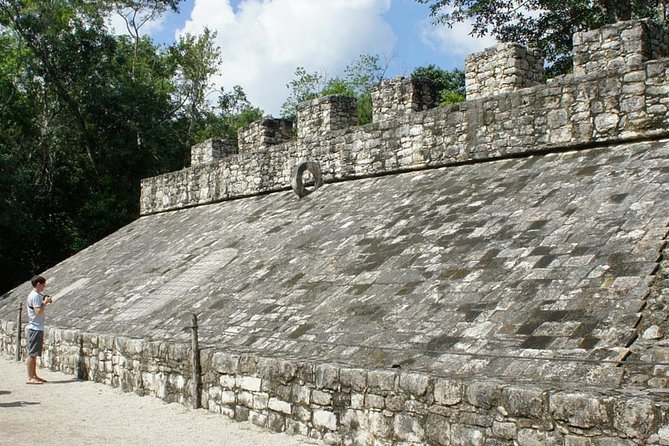
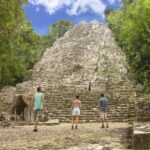
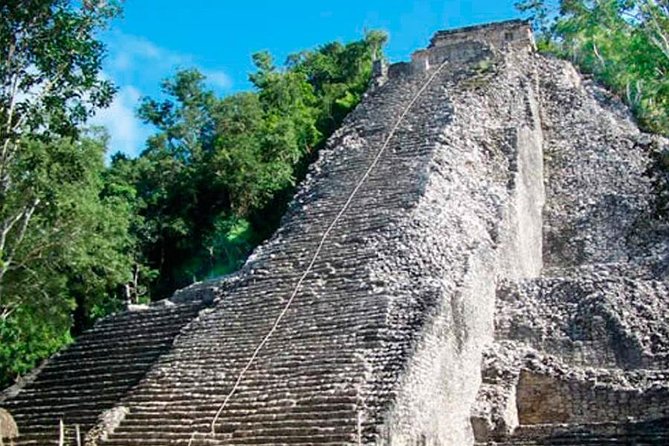
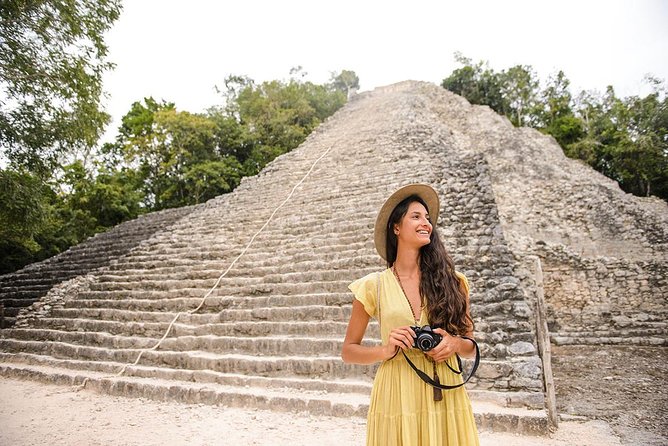
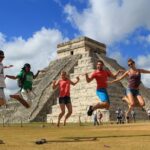
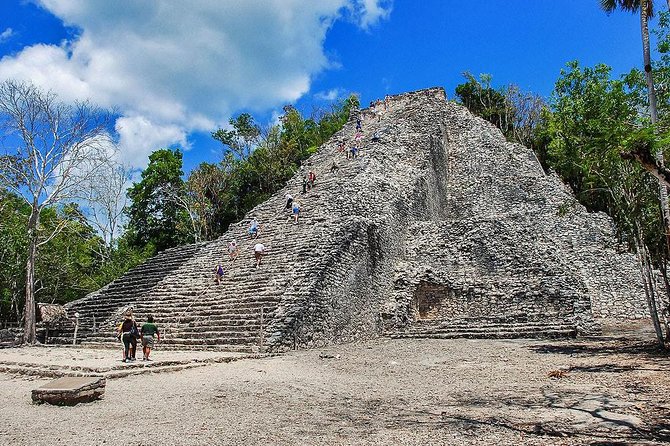
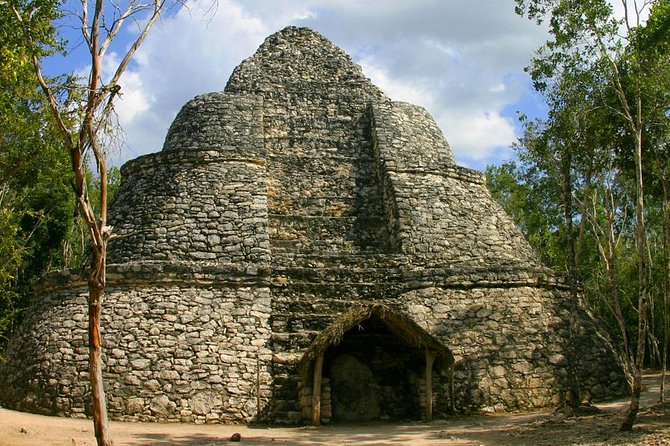
Coba is where the tour turns into real jungle exploration. You get about 2.5 hours at the Zona Arqueologica de Coba, and it’s a sprawling site—so you’re not doing everything. Instead, you’re getting a meaningful sampling of the place, guided and structured so you don’t waste time wandering.
A key point on expectations: climbing the Coba pyramid is not included or guaranteed. That means you should treat any summit plan as optional. If climbing is a “must” for you, don’t build your whole day around it.
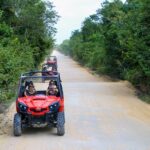
You may also use bike taxi-style transport while moving through the grounds (this shows up in real experiences on the tour). That can be a practical way to cover distance in a big site without burning every minute on long walks.
One tip that came through strongly from guide styles: if the day allows, start early with the climbable ruins area so you don’t end up stuck behind a long line. Different guides named in the experience (like Jesus) use that strategy to keep the schedule flowing.
Multun-Ha Cenote: swim-ready or calm-view, with clear cold water
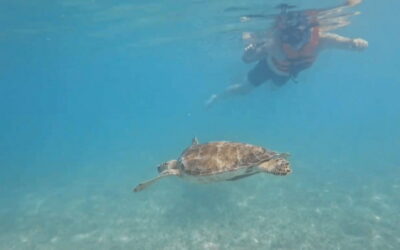
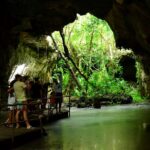
After Coba, you head to Multun-Ha cenote for about an hour. The big draw here is simple: cenote water time. You can usually swim, and many people focus on just enjoying the underwater clarity and the sensation of stepping into a cool pocket after the ruins.
Expect water to feel cold in the moment, even if you’re hot from the day. That’s part of the charm. The cenote is also a nice pace reset. Instead of more steps in the sun, you get a change of environment—shade, water sound, and a visual break.
Practical reminder: bring what you need for swimming (swimsuit, towel if you want). If you’re sensitive to cold water, know you’ll likely feel that chill immediately when you step in.

Guides and drivers: why the small group changes the whole day
This tour’s “small group” promise isn’t marketing fluff. With a max of 15 and experiences often running with fewer people, you get better pacing and more room to ask questions. You’re not fighting to be heard over 40 other voices.
Guide names show up repeatedly: Jesus is mentioned as a standout for keeping energy up and making time-efficient choices (like heading toward the climbable ruin early). Other guides named include Tonancy, Gabriel, and Jose Antonio, each praised for making the history feel tied to real places instead of a memorized script.
Drivers also get credit in the real-world details—people specifically mention safe, timely arrivals and smooth handling on bumpy roads. One caution shows up too: on an extremely hot day, some visitors have complained about weak air-conditioning in the van. That’s not consistent across every experience, but it’s a good reason to be prepared—hat, water, and a calm attitude help.
Food and value: lunch, bottled water, and what’s included vs not
Let’s talk money and value, because this day can feel expensive or cheap depending on what you compare it to.
You pay $109 USD per person, and the tour includes:
- Lunch (served as buffet lunch on the description)
- Entrance fees for the sites listed (not including taxes)
- Transportation plus hotel pickup/drop-off (Riviera Maya coverage noted)
- Bottled water during the day
- A professional art historian guide
- Small group size
Here’s the practical catch: drinks with lunch are not included. And on top of that, you should budget the cash Tulum access/local tax mentioned earlier ($45 adult, $30 child).
One more nuance: lunch has had some mixed wording in real experiences. The day is advertised as a buffet lunch, but at least one person described it as a restaurant-style meal rather than a literal buffet line. I’d frame it like this: you’ll get a proper sit-down lunch, but the exact serving style can vary.
Still, for the overall combination—two big ruins, museum context, cenote time, plus transport—this is often priced like a “bundle that works,” not a bunch of separate tickets and pickups.
Comfort tips for a long hot day in the Yucatán
Even when everything is planned well, this is a physically active route. You’ll walk at Tulum. You’ll move around Coba’s broad grounds. Then you’ll swim or at least hang out in cenote water conditions. Wear shoes with grip, and don’t count on sandy edges to be forgiving.
Dress code is smart casual, but you can still dress for heat: light layers, breathable clothing, and a hat. You’ll also want sun protection since you can be out in open areas between stops.
One specific logistics note from the Tulum site rule: no disposable packaging for bottles/food items. That’s why the tour asks for a non-plastic reusable bottle. If you show up with a disposable drink, you may hit friction at the site.
And yes, roads can feel rough. People have noted bumpy driving as typical for the region. If you’re sensitive to motion, keep that in mind before you book.
Who should book this reduced-group Coba, Tulum, and cenote day
This tour is best for you if:
- You want one full day that covers major Mayan stops without planning transportation yourself
- You like having a guide narrate what you’re seeing, not just following a map
- You prefer a smaller group where the guide can slow down when questions pop up
- You’re okay with moderate walking and standing in heat
It might not be ideal if:
- You must climb the Coba pyramid and will be disappointed if it’s unavailable, since it’s not included or guaranteed
- You strongly want everything fully included with no cash required (because Tulum’s access/local tax is handled on boarding)
- You get easily worn out by long days with lots of moving between sites
Should you book it?
I’d book this if you want a tight, guided Mayan day that feels efficient but still has time to breathe—especially for the blend of Tulum + Coba + Multun-Ha cenote. The value is strongest when you’ll use the included transportation and when you like the idea of learning from an art historian guide with a small group.
But do your homework before you go: bring a plan for the extra Tulum cash fee, expect a physically active schedule, and treat the Coba pyramid climb as optional rather than promised.
If that sounds like your style, this reduced-group format is the kind of upgrade that can turn a busy route into a memorable one.
FAQ
Is the Coba pyramid climb included?
No. Climbing the Coba pyramid is not included or guaranteed on this tour.
Do I have to pay anything in cash for Tulum?
Yes. Tulum archaeological site access/local tax is mandatory cash only upon boarding: $45 USD per adult and $30 USD per child.
What’s included in the tour price?
The tour includes lunch, transportation, entrance fees for the listed sites (not including taxes), bottled water, a professional art historian guide, and hotel pickup/drop-off where available.
Are drinks included with lunch?
No. Beverages are not included with lunch.
How many people are in the group?
It’s a reduced group with a maximum of 15 travelers.
What are the rules about bottles or food at Tulum?
Tulum strictly prohibits introducing bottles or food items in disposable packaging. The tour also requests you bring a non-plastic reusable water bottle for refills.