REVIEW · PLAYA DEL CARMEN
Cenotes diving
Book on Viator →Operated by Diversland Mexico · Bookable on Viator
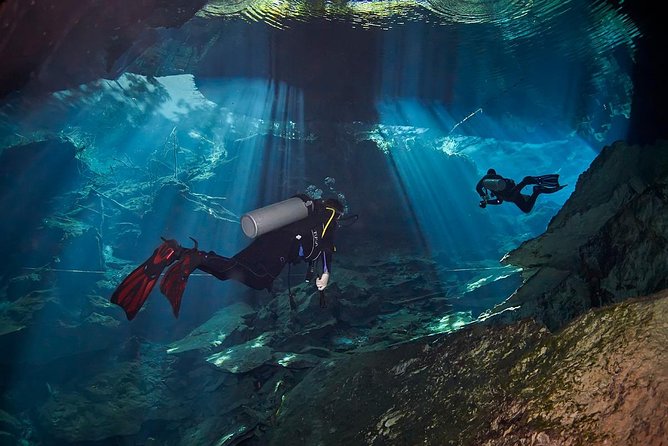
Morning light turns cenotes into a show. You start in Playa del Carmen and head into sacred Maya freshwater caverns where morning light and crystal-clear water do most of the talking.
I love the hotel pickup and drop-off—it keeps the morning calm. You also get everything you need, from tanks and weights to belts, plus a multilingual instructor who can coach you in English.
The one catch is the requirement for Open Water Diver (or equivalent) certification and a health questionnaire. If you have asthma or heart issues, you’ll want to check with your doctor before going.
In This Review
- Key highlights to know before you go
- Why these Playa del Carmen cenotes feel different from open water
- Meeting Diversland and getting your gear sorted without stress
- Chac Mool and Kukulkan: the “curtain of light” morning show
- Ponderosa (Jardín del Edén): a natural pool with mossy rock life
- Tajma Ha (Taj Majal): a wide-open chamber under a bat cave
- Equipment and multilingual coaching that actually make a difference
- What your ~5-hour cenote morning will feel like
- Price and value: what $260 buys you in the real world
- Who should book this cenote underwater experience
- Should you book this with Diversland in Playa del Carmen?
- FAQ
- What’s included in the cenote underwater trip?
- Do I need certification to participate?
- How long is the experience?
- Where does the tour start?
- Which cenotes are part of the plan?
- What group size should I expect?
- Is insurance included?
- Is there free cancellation?
Key highlights to know before you go
- Morning-friendly cenotes with a strong sunlight effect: the “curtain of light” and light beams are the main event
- Two cenote stops chosen for first underwater sessions: the Yucatán Peninsula picks that work well for beginners with certification
- All required equipment is included: tanks, weights, and belts, plus bottled water and snacks
- Multilingual instruction (English offered): you’ll get real coaching, not guesswork
- Small group cap (max 15) with private-group setup: more attention, less chaos
Why these Playa del Carmen cenotes feel different from open water
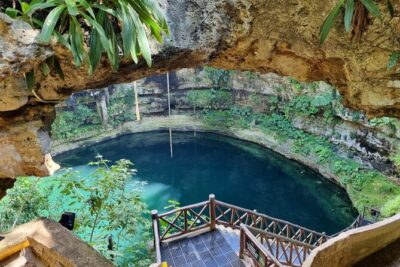
Playa del Carmen is built for beach plans. This tour swaps the usual sea view for freshwater underground worlds, where the air feels cooler and the lighting becomes the attraction. You’re not just looking at rocks—you’re watching how light behaves in water and in caves.
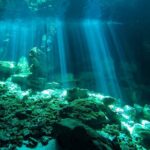
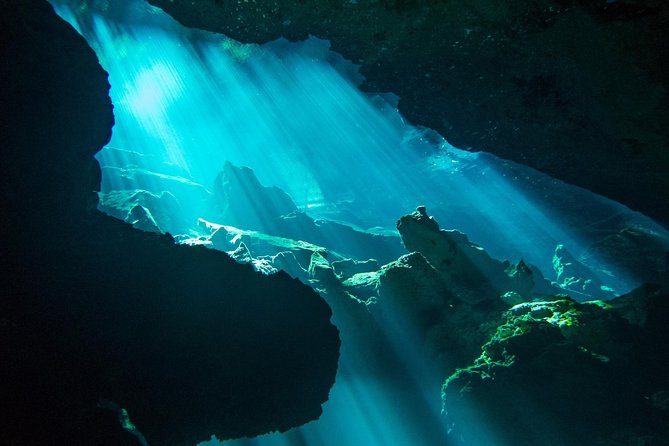
What makes these particular cenotes stand out is the way sunlight turns into shapes underwater. In the morning, you can get a curtain of light effect and a jungle-like view beneath you. Even if you’re comfortable in open water, that lighting change is a real mental shift.
You’ll also be dealing with the kinds of underwater conditions that make cenotes memorable: crystal-clear water, big cave formations, and that mix of open spaces and enclosed chambers. The tour focuses on cenotes that are especially good for first underwater sessions on the Yucatán Peninsula, which helps you start the experience without feeling thrown in.
The “sacred Maya” framing matters, too. Cenotes weren’t just pretty holes in the ground—they’re part of how this region views land and water. It gives your photos and your senses a bit more weight than a quick tourist swim.
You can also read our reviews of more scuba diving tours in Playa del Carmen
Meeting Diversland and getting your gear sorted without stress
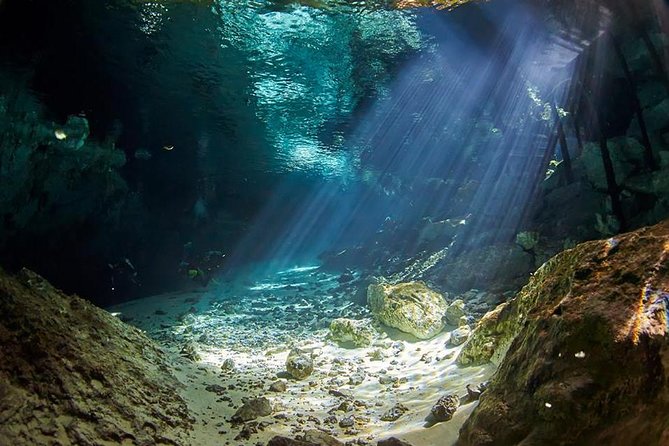
Your morning begins at 8:00 am, with hotel pickup available across Playa del Carmen, Cancun, and the Riviera Maya. If you’re not picked up right at your door, the meeting point is Plaza Palmeiras on C. 11 Sur, Ejidal, 77712 Playa del Carmen.
When you arrive at Diversland, the day usually feels structured right away. You’ll check in, get oriented, and fit into the gear system the team uses for the cenotes. Included items are the practical stuff: tanks, weights, belts, and all necessary equipment, so you’re not hunting rentals or paying extra on-site.
This is also where the group size helps. With a maximum of 15 people, you’re not stuck waiting forever for a checklist to finish. You’ll likely have time to ask questions and confirm what you need to do for buoyancy and neutral control.
The tour also includes bottled water and snacks. That sounds small until you realize cenotes sessions can run longer than you expect from paperwork, fitting, and travel time. Keeping yourself fed and hydrated makes the experience smoother once you’re underwater.
Chac Mool and Kukulkan: the “curtain of light” morning show
If you’re chasing photos that don’t look like every other cenote shot, this is the segment that people talk about. The tour pairs cenotes known for sunlight effects, and Chac Mool and Kukulkan are part of that star lineup.
Here’s what to expect: you’ll experience crystal-clear freshwater with big cave formations. The lighting can be dramatic, especially in the morning when sunlight comes in at angles that create that curtain-like look. Underwater, that same light can play off water layers and cave textures, giving you more depth than you’d get in a simple pool.
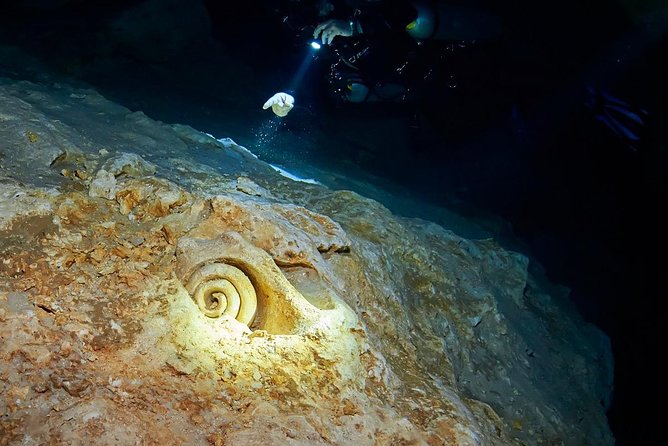
You’ll also see a jungle view feeling from below the surface. It’s not a beach panorama—it’s more like you’re floating inside a living light machine. Even better, the tour mentions things like fossils in the stone, so the geology feels more layered than “pretty cave walls.”
One practical note: cenotes can involve different water densities and visibility patterns depending on where sunlight hits. The tour specifically mentions halocline and lighting effects in multiple areas. Translation: the water can shift how it looks and feels as you move, so follow instructor cues and take your time.
Ponderosa (Jardín del Edén): a natural pool with mossy rock life
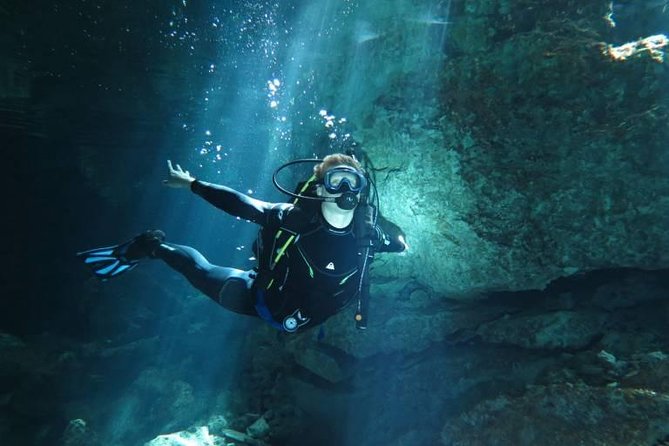
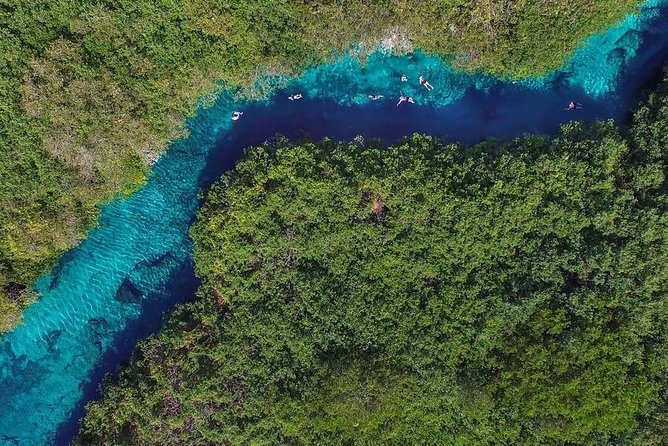
Ponderosa is described as a natural swimming pool of crystal-clear water. You’ll hear the nickname Jardin del Edén, and the idea fits: you’re not just surrounded by rock, you’re surrounded by living textures.
The tour highlights a strong mix of flora and fauna here. You might spot different types of fish, freshwater eels, and turtles around the large rocks covered in green moss. If you like wildlife that doesn’t act like it’s been trained for human cameras, this is where you’ll feel it.
The light effects matter, too. On sunny days, you can get an amazing play of light, and the presence of halocline can add that extra layer of visual change. Sometimes the most striking underwater moments are the ones where the world looks slightly unreal—like the water is doing something other than just reflecting.
Why I think this cenote works for beginners with certification: it’s described as a natural swimming pool rather than only a maze of tight passages. That doesn’t mean it’s boring. It means you can build confidence in your control and buoyancy while still enjoying the wow factor.
If you’re the type who likes to look around and think less about technique, Ponderosa helps you do that. The instructor still guides you, but the space encourages calm exploration.
Tajma Ha (Taj Majal): a wide-open chamber under a bat cave
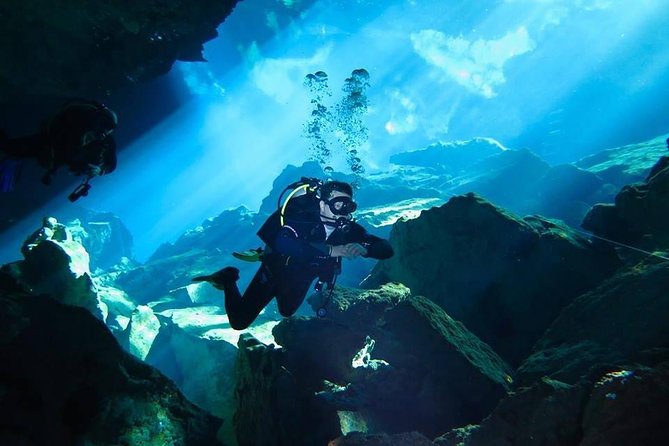
Then you’ve got Tajma Ha, also called Taj Majal. This one feels like a totally different category of cenote even though it’s still in the same underwater world.
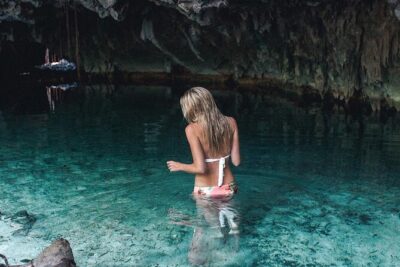
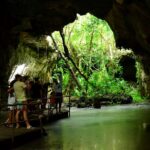
Tajma Ha is described as a wide-open room under an air-filled bat cave. Instead of light coming mainly from one opening, you can get cavern illumination streaming through holes in the ceiling. That makes the ceiling feel like a ceiling. You’re not only looking at the cave walls—you’re watching light pour in from above.
You’ll see stalactites and limestone formations, plus huge chambers with areas that resemble rooms and corridors. The tour description uses a palace comparison, and honestly that’s the best way to picture it: a big, branching interior where the geometry makes you slow down and look.
In some cenotes, the highlight is the water. Here, the highlight is the architecture of the space plus the way sunlight transforms it. The halocline and light effects add even more visual interest, so if you’ve ever wished underwater spaces looked more dimensional, this is a good match.
The only “watch your step” consideration is mental comfort. Even if the room is wide open, you’re still in a cave environment where you can’t just pop up and wander. Stay close to the instructor line, listen for cues, and keep your attention on buoyancy and orientation.



Equipment and multilingual coaching that actually make a difference
This tour is set up for people who have certification—specifically evidence of Open Water Diver (or analog) is required. If you have that, you’ll find the gear and instruction approach focused on making the cenotes readable and manageable.
You’ll use professional equipment: tanks, weights, and belts. That matters because in caves and cenotes, small equipment mismatches can create bigger problems, especially with neutral control and trim. The tour also includes all necessary equipment, which is one less place where your experience could get derailed.
Instruction is multilingual and English is offered. That’s not just a convenience. It helps when you need real-time feedback on your position, breathing rhythm, and what to do when visibility or lighting changes. The experience is built around communication, so you should feel confident asking questions.
The team’s reputation shows up in the guide names people mention: Andy is noted for working hard to make the whole experience succeed from pickup onward. Sergey comes up for guided sessions across multiple cenote trips. Evgenia gets praised for energy and organizing everything smoothly, and Liz is mentioned for coaching that helped someone manage a moment of confusion and panic risk by giving support and room to breathe.
Dmitri is described as calm and patient, which you’ll appreciate in any underwater environment where your mind might want to rush. Dima and Anna also appear in notes about organization and safety.
None of that guarantees you’ll get the same exact instructor, but it does tell you the center invests in coaching skills, not just equipment.
What your ~5-hour cenote morning will feel like
The schedule runs for about 5 hours (approx.), and it starts at 8:00 am. That early start is practical. It lines up with the best chance for the sunlight effect the tour promises.
You’ll have hotel pickup, then gear fitting and briefing. From there, you do 2 underwater sessions in 2 different cenotes. The program combines cenotes that are ideal for first underwater sessions, and the description names four key cenotes that fit the plan: Chac Mool and Kukulkan, plus Ponderosa and Tajma Ha.
So how does that translate in real life? You’ll experience the “morning light curtain” look in the Chac Mool/Kukulkan side of the mix, then get a different underwater geometry in the Ponderosa/Tajma Ha side. Both sides are connected by the tour’s main theme: light plays, crystal freshwater, big formations, and the halocline effect that can change what you see as you move.
You’ll also get bottled water and snacks, which helps you stay steady if the day runs long. Since the tour is group-based with a small maximum size, your pacing usually depends on instructor cues and how comfortable the group is with buoyancy and navigation in the cenotes.
Bring your patience. Cave-like environments can’t be rushed. When you do it calmly, the light effects look better and the whole thing stops feeling like a check-off list.
Price and value: what $260 buys you in the real world
At $260.00 per person for about 5 hours, the value here is in what’s included. You’re not only paying for a place to go—you’re paying for the whole package that often adds up.
Included:
- Hotel pickup and drop-off
- All fees and taxes
- All necessary equipment
- Professional multilingual guide
- 2 underwater sessions in 2 different cenotes
- Bottled water and snacks
- Private group setup, with a maximum of 15 people
Not included:
- Insurance is optional
The big deal is that equipment and transport are handled for you. In Mexico’s tourism belt, “cheap” cenote plans often charge extra for gear, transport, or local fees. Here, the price is positioned as a full-service morning.
If you already have your own gear and you hate guided structure, you might feel like you’re paying for convenience you don’t need. But if you want a smooth start and a professional system for buoyancy and safety, the price starts looking fair.
The tour also reduces decision fatigue. You don’t have to plan which cenotes are best for morning light, then figure out access, timing, and equipment. The whole point is to bring you to the cenotes that match the lighting payoff.
Who should book this cenote underwater experience
This one is best for people who want the cenote experience with real structure and professional coaching.
You should consider booking if:
- You’re 15 or older
- You have Open Water Diver certification (or equivalent) proof
- You want morning sunlight effects, halocline light play, and cave formations
- You like working with an instructor who can explain things in English and keep you oriented
You should think twice and check your doctor if:
- You have asthma, heart conditions, or other pre-existing medical issues
- You’re not comfortable completing the required health questionnaire
- You’re planning to dive soon after flying (it says diving within 24 hours of flying is not recommended)
Also, if you’re someone who struggles in enclosed underwater environments, this might still be workable with guidance, but you’ll want to be honest with the instructor during the briefing. The tour is set up for first underwater sessions on the Yucatán Peninsula, which is encouraging, but your comfort matters.
Should you book this with Diversland in Playa del Carmen?
I’d book it if your priority is morning light in cenotes plus professional coaching, without spending time on logistics. The combination of included pickup, full equipment, multilingual instruction, and two different cenote environments makes it a solid value for a first serious cenote underwater day.
Skip it if you don’t meet the certification requirement, if your health situation makes the questionnaire a red flag, or if you’re looking for a casual, unstructured experience. Cenotes work best when you follow instructions and move at a calm pace.
If you’re ready for that, this tour gives you a genuinely special underwater day: curtain-like beams of light, mossy rock wildlife potential in Ponderosa, and Tajma Ha’s palace-like chambers under the ceiling holes where sunlight hits like spotlights.
FAQ
What’s included in the cenote underwater trip?
You get hotel pickup and drop-off, bottled water and snacks, all fees and taxes, all necessary equipment, a professional multilingual guide, and 2 underwater sessions in 2 different cenotes.
Do I need certification to participate?
Yes. Evidence of dive certification is required, specifically Open Water Diver (or an analog).
How long is the experience?
It runs for about 5 hours (approx.).
Where does the tour start?
You’ll start at Plaza Palmeiras (C. 11 Sur, Ejidal, 77712 Playa del Carmen, Q.R., Mexico). Hotel pickup is also offered for hotels in Playa del Carmen, Cancun, and the Riviera Maya.
Which cenotes are part of the plan?
The program combines cenotes known for the sunlight effect: Chac Mool and Kukulkan, plus Ponderosa (Jardín del Edén) and Tajma Ha (Taj Majal).
What group size should I expect?
Maximum group size is 15 travelers, and the tour is set up as a private group.
Is insurance included?
No. Diving insurance is optional, and it isn’t included in the price.
Is there free cancellation?
Yes. You can cancel up to 24 hours before the experience’s start time for a full refund.