REVIEW · PLAYA DEL CARMEN
Cenote diving Dream Gate
Book on Viator →Operated by Diversland Mexico · Bookable on Viator
Cenote stairs to a flying feeling. Dream Gate is a super decorative cenote with stalactites, stalagmites, and columns, plus a dark sediment background that makes the rock pop in photos. What I like most is the chance to do both Dream Gate Upstream and Dream Gate Downstream in one outing, and the way the site rewards good control in the water. The main trade-off is that this cenote demands excellent buoyancy because the formations are fragile.
You’ll be in good hands with a professional multilingual guide, and the day is paced for a small group (max 15). With hotel pickup in Playa del Carmen, Cancun, and Riviera Maya and a morning start around 8:00, it’s a straightforward, value-focused way to see one of the most dramatic cenotes near town.
Key highlights at a glance
- Two-route experience: Upstream plus Downstream on the same Dream Gate site
- Formations with contrast: dark sediment background makes pale rock stand out
- Small group cap: maximum 15 travelers for a less hectic feel
- Gear and tanks included: weights belt plus 2 tanks come with the price
- Real buoyancy focus: slow, controlled movement matters around delicate rock
- Guides you might meet: Dima, Steve, and Peter have shown up as guide names in past groups
In This Review
- Dream Gate Stalactites: What You’re Really Paying For
- Two Sessions on One Site: Upstream Then Downstream
- Visibility, Depth, and Buoyancy: The Real Skill Test
- Guides and Group Size: How the Day Runs
- Safety Checks, Health Form, and Certification Requirements
- Price and Value: What $195 Includes (and What It Doesn’t)
- Getting There in Playa del Carmen: Pickup and Meeting Point
- What to Pack (So You Don’t Hate Life After)
- Who This Cenote Day Fits Best
- Should You Book Dream Gate? My Decision Guide
- FAQ
- What is included in the $195 price?
- Do I need scuba certification to participate?
- How old do you have to be to go?
- Where is the meeting point and what time does it start?
- Is equipment provided?
- Can I cancel for a full refund?
Dream Gate Stalactites: What You’re Really Paying For
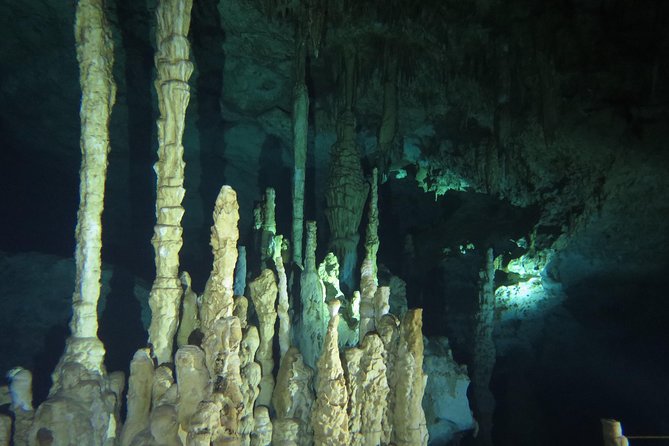
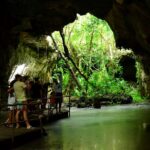
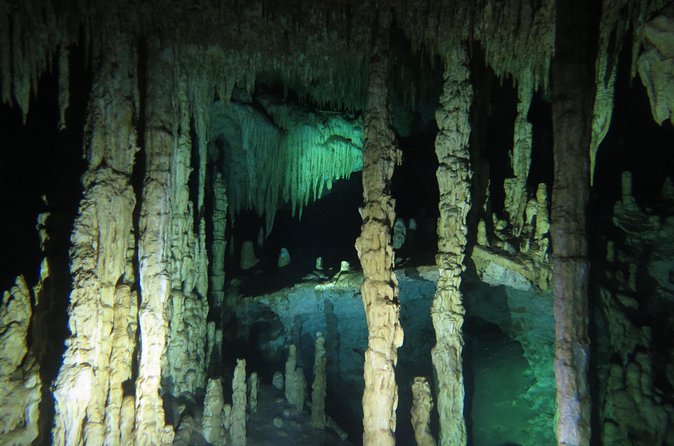
Dream Gate is the kind of cenote where the walls do the talking. You’re not just looking at open water and guessing where the rocks are—this place is known for lots of stalactites and columns, with a darker sediment layer behind them. That contrast gives you a clearer sense of depth and shape, even when the lighting feels different inside the cavern.
The other thing you’re paying for is time in two different sections. Doing both routes matters because each area frames the geology differently. One segment can feel like you’re moving through tight, detailed rock clusters; the other can broaden the view and make the overall scale easier to appreciate.
Two Sessions on One Site: Upstream Then Downstream
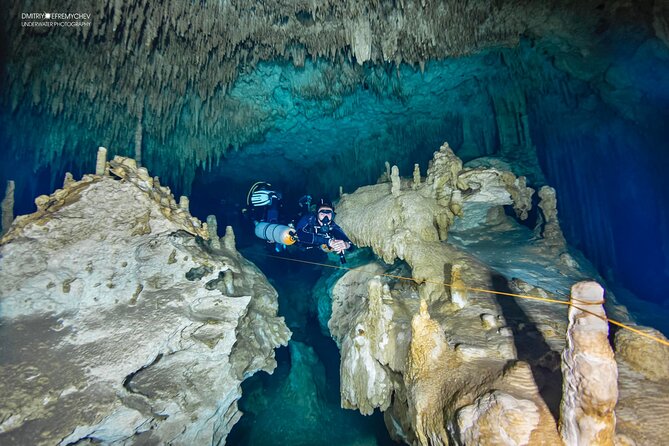
You’ll get two underwater sessions at Dream Gate: Dream Gate Upstream and Dream Gate Downstream. This is more than marketing speak. A setup like this is built so you see more of the cenote’s character in the same 5-hour window instead of just hitting one corridor and calling it a day.
The best part of the two-part format is momentum. Once you get your breathing rhythm and buoyancy dialed in, the second route tends to feel like a continuation—less like starting over, more like extending the story. One tip from past divers is that the order can affect how you perceive the rock details, so if you have a strong preference for a first impression, ask your guide which route tends to deliver the most showy formations first.
You can also read our reviews of more scuba diving tours in Playa del Carmen

Visibility, Depth, and Buoyancy: The Real Skill Test
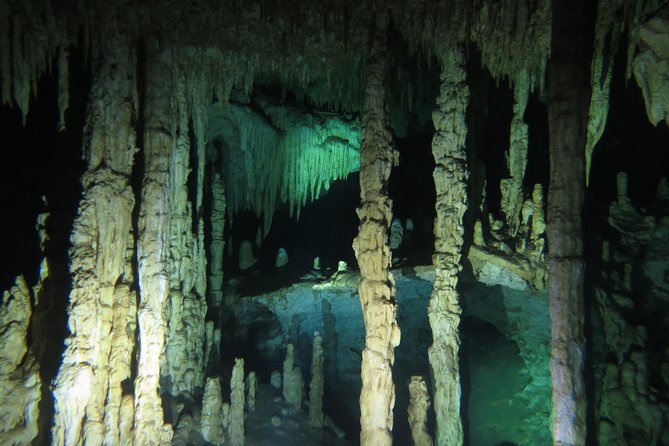
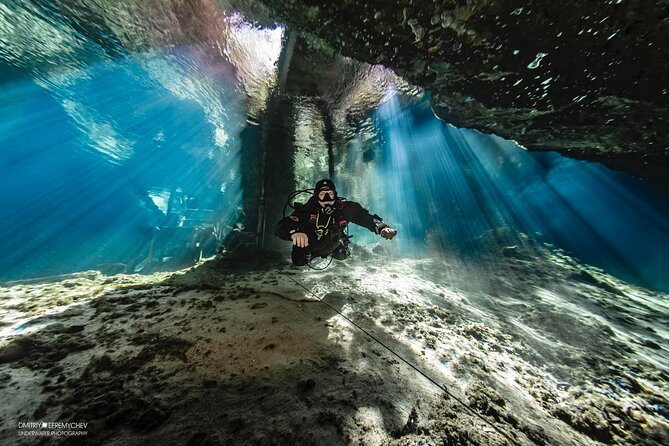
The good news: visibility is described as excellent here. When the water stays clear, you can really study the geometry—stalactites drop from the ceiling, stalagmites rise from the floor, and columns connect both like stone skeletons.
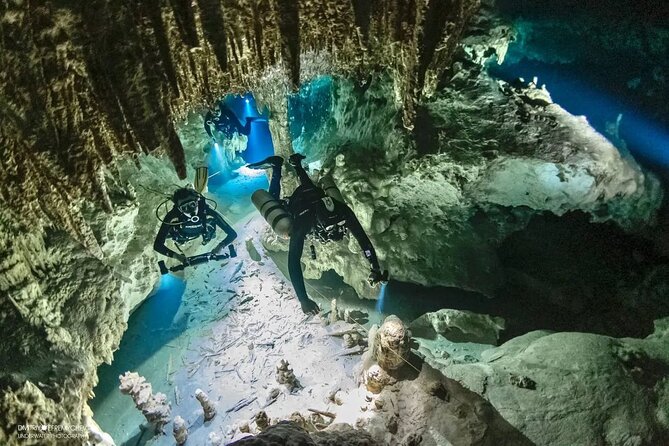
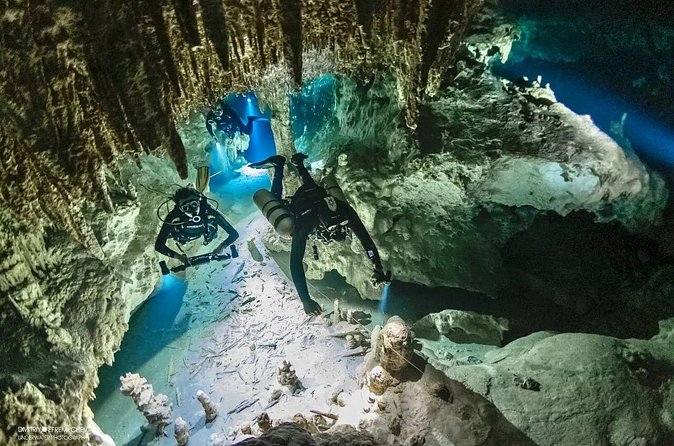
Now the not-so-easy part: the rock is delicate. You need excellent buoyancy so you’re not kicking up silt, bumping the bottom, or brushing against fragile formations. Expect the water movement to feel calmer than an ocean, but your control has to be better. The cenote can be forgiving in one way and demanding in another.
Depth is also a factor to keep expectations realistic. One account described a maximum around 5 to 6 meters, which means you’re not dealing with extreme depth—just lots of close rock. So your challenge is spatial awareness and stillness, not oxygen limits.
Guides and Group Size: How the Day Runs
This tour caps at 15 travelers, which is a big deal in cenote environments. Smaller groups usually mean less waiting, fewer bottlenecks at entry points, and a better chance your guide can keep an eye on everyone’s buoyancy and positioning.
The guide side is where the experience gets its lift. Past groups have had names like Dima, Steve, and Peter, and the general vibe is that the staff know how to make the day feel smooth. That matters because cenotes aren’t just about scenery—they require you to follow cues quickly, stay calm, and move with purpose.
Expect the day to feel structured: pickup, gear handling, then two underwater sessions with a guide leading you through the rock. You’ll also get bottled water and snacks, which helps because you’ll need some fuel before you’re in the water for the morning.
Safety Checks, Health Form, and Certification Requirements
This experience includes health screening. You’ll complete a health questionnaire, and some pre-existing conditions (like asthma or heart conditions) may mean you shouldn’t dive. Also, diving within 24 hours of flying isn’t recommended. If you have any medical questions, ask your doctor first—this isn’t the time for guesswork.
On certification: you’ll need evidence of scuba certification if you want to participate in a certified underwater session. The stated requirement is Advanced Open Water Diver PADI or equivalent. If you don’t have that level, you should confirm what your exact option is before you commit.
Age matters too. The minimum age is 15 years, so it’s more geared toward older teens and adults who can handle instructions and buoyancy expectations comfortably.
Price and Value: What $195 Includes (and What It Doesn’t)
At $195 per person, this outing is priced like a “real guided scuba” day, not a basic snorkel tour. The included items are the big value pieces:
- 2 tanks plus weights and belt
- Hotel pickup and drop-off
- Professional multilingual guide
- Bottled water and snacks
- All fees and taxes
- Mobile ticket
- Two underwater sessions
What’s not included is also clear:
- Equipment rental costs $15 USD/day
- Diving insurance is optional
Here’s how I’d think about value as a practical traveler. If you’re already certified and don’t own your own weights/gear setup, the “weights belt plus tanks” being included helps you avoid extra add-ons that can quietly inflate the total. The $15/day rental is a smaller, predictable extra cost than you might see on other operators, especially since the tour is a single half-day outing.
If you’re paying for equipment rental anyway, you might want to estimate total spend up front (the rental is per day, not per session). And if diving insurance is something you usually buy, this is a good moment to line that up so you’re covered without scrambling.





Getting There in Playa del Carmen: Pickup and Meeting Point
The day starts at 8:00 am, with pickup available for hotels across Playa del Carmen, Cancun, and Riviera Maya. That convenience alone can be worth real money and time—cenotes are close enough to day-trip, but travel can still get annoying if you’re on your own.
If you’re meeting on your own, the meeting point is Plaza Palmeiras, C. 11 Sur, Ejidal, 77712 Playa del Carmen, Q.R., Mexico. The activity ends back at the meeting point, so you’ll either return there or coordinate with the included pickup drop-off depending on what you booked.
Also worth noting: the tour uses a mobile ticket. That’s handy because you’re not hunting for a printed voucher while you’re juggling gear and timing.
What to Pack (So You Don’t Hate Life After)
The tour includes water and snacks, plus the key scuba items like tanks and weights. That means you can travel lighter than you might for other cenote days.
Still, plan for the basics:
- bring your standard scuba essentials if you already have them
- wear something you can get damp and rinse later
- have a plan for dry storage during pickup and after you exit the water
- bring what you need to feel comfortable with the health questionnaire process
One more practical thought: cenote sites can involve access that’s more utilitarian than resort-like. One account described the arrangement as simple and a bit precarious. You don’t need to panic, but you should wear footwear that helps you manage uneven footing on entry and exit.
Who This Cenote Day Fits Best
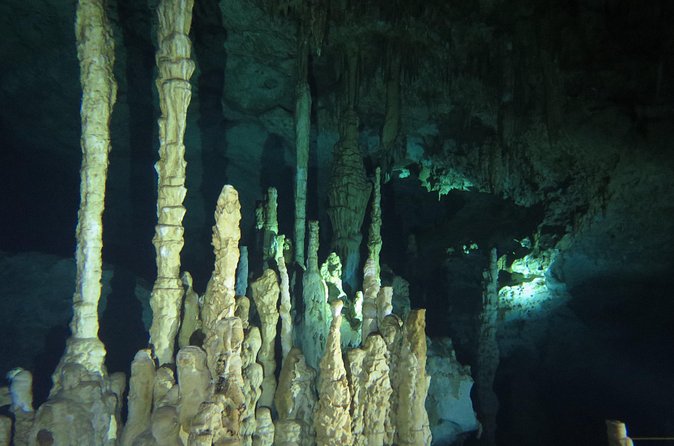
Dream Gate is a strong fit if you want something more “rock-architecture” than “open-water spectacle.” The entire point is formations—stalactites, stalagmites, and columns—plus a dark background that makes the shapes feel sharper.
It’s also a good choice if you:
- like guided structure (especially around buoyancy and movement)
- want to cover more than one section of the same site in a single morning
- are comfortable following instructions and moving slowly around fragile rock
- prefer small groups (max 15 is a big plus)
If you’re easily stressed by tight planning or you don’t yet have good buoyancy, you may feel more strain than you expect. This is one of those places where doing it well is part of enjoying it.
Should You Book Dream Gate? My Decision Guide
Book this if your top goal is to see Dream Gate’s geology up close with strong visibility and a plan that gives you two routes. The price makes sense for what’s included—tanks, weights belt, guide, pickup, and all fees—especially if you don’t want to deal with extra logistics on your own.
Hold off or ask extra questions if buoyancy control is still a struggle for you, or if you’re unsure how your certification level will map to the certified option. Also, if you have any health conditions that could affect scuba safety, get medical clearance before you plan your day.
If you’re the type who loves detailed rock shapes and doesn’t mind moving carefully, this is the kind of cenote outing that feels worth your time and money.
FAQ
What is included in the $195 price?
The tour includes bottled water and snacks, all fees and taxes, 2 tanks, weights and belt, hotel pickup and drop-off, a professional multilingual guide, and two underwater sessions. Equipment rental and diving insurance are not included.
Do I need scuba certification to participate?
You’ll need evidence of scuba certification if you want to participate in a certified underwater session. The stated requirement is Advanced Open Water Diver PADI or equivalent.
How old do you have to be to go?
The minimum age is 15 years.
Where is the meeting point and what time does it start?
The meeting point is Plaza Palmeiras, C. 11 Sur, Ejidal, 77712 Playa del Carmen, Q.R., Mexico. The start time is 8:00 am, and pickup is offered from hotels in Playa del Carmen, Cancun, and Riviera Maya.
Is equipment provided?
No. Equipment is not included, but equipment rental is available for $15 USD/day.
Can I cancel for a full refund?
Yes. Free cancellation is available. You can cancel up to 24 hours before the experience starts for a full refund. If you cancel less than 24 hours before, you won’t get a refund.