REVIEW · PLAYA DEL CARMEN
Private Cenote & Cave – Playa del Carmen, Mayan Culture & Fossils
Book on Viator →Operated by Tao Travel 365 · Bookable on Viator
Cenote Chaak Tun feels like stepping into time. You’ll follow Bohish through crystal-clear water, caves, and hidden chambers while learning how geology shaped the place over millions of years.
I like two things most: the tour includes helmet with a lamp plus snacks and bottled water, so you’re not scrambling for basics. The small group size (up to 8) also makes the pacing feel personal instead of rushed.
One thing to consider: you’ll likely want a wetsuit rental for comfort, and the cave rules around electronics mean you may need a waterproof setup if photos matter to you.
In This Review
- Key Points
- Cenote Chaak Tun’s Fossils: The Reason This Trip Feels Different
- Your Guide and the Tone: Knowledge That Still Feels Practical
- Safety Gear That Actually Makes Sense in a Cave
- Stop 1 at Cenote Chaak Tun: Fossil Corals, Chambers, and Quiet Water
- What you’ll do
- What you’ll see
- A note on insects and timing inside
- The Drive and Transfers From Playa del Carmen (and Why It Matters)
- Where you meet
- What’s Included, What Isn’t, and the Small Extras to Budget For
- Wetsuit rental
- Reef shoes and comfort footwear
- Photos and electronics rules
- Tipping and last-minute costs
- Who Should Book This Cenote & Cave Experience
- Practical FAQ for Your Day in Playa del Carmen
- FAQ
- How long is the Private Cenote & Cave tour?
- Is pickup from Playa del Carmen included?
- What time does the tour meet?
- How many people are in the group?
- What safety gear is included?
- Do I need a wetsuit?
- Are snacks and drinks included?
- Is the guide offered in English?
- Should You Book This Cenote & Cave Tour?
Key Points
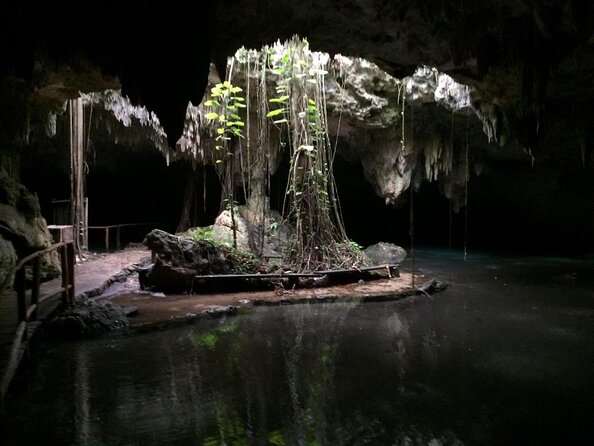
- Bilingual guide leads you through fossils, caves, and Mayan connections at a natural pace
- Helmet with lamp is included, making darker sections much less stressful
- Snacks, bottled water, and fruit help you keep energy up during the hike-and-swim flow
- Cenote Chaak Tun is where you focus on marine fossils and cave formations
- Up to 8 travelers keeps attention on safety and guidance
- Plan for optional wetsuit rental and cave photo limits (electronics restrictions)
Cenote Chaak Tun’s Fossils: The Reason This Trip Feels Different
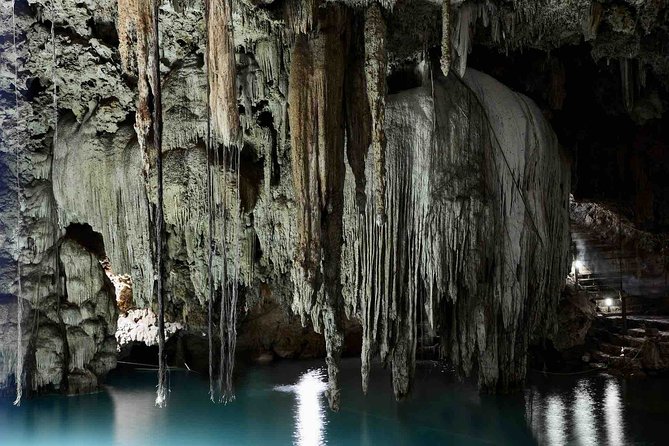
If you only do one cenote in the Riviera Maya area, I’d put this one near the top. The big draw is not just the swim. It’s the way the guide turns the cenote into a history lesson you can actually move through.
Inside Cenote Chaak Tun, you’re looking at a mix of rock formations and fossil evidence from ancient seas. Expect the guide to point out fossilized corals and marine animals, with references to prehistoric creatures like sharks and whales as well as other land mammals that roamed long ago. The fossils are preserved in calcareous rock, so when someone explains what you’re seeing, it clicks fast: you’re not staring at random shapes. You’re looking at a record of changing oceans, climates, and time.
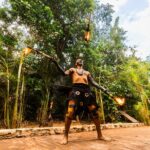
This is also where Mayan culture often shows up in a grounded way. You may spot authentic Mayan artifacts during the hike and swim, and your guide brings context about their purpose and how local people used the site. The result is a blend of natural science and human story, all in the same wet, cool environment.
You can also read our reviews of more private tours in Playa del Carmen


Your Guide and the Tone: Knowledge That Still Feels Practical
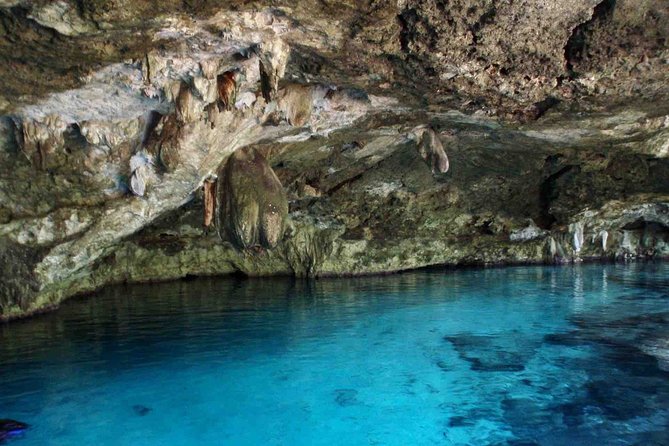
A tour lives or dies on the guide, and this one has a strong track record. The tour description centers on Bohish, described as a respected cenote explorer and wildlife conservationist, and the experience is built around him leading safely through the cenote’s labyrinth sections. In practice, that matters because cave routes can feel confusing in the moment—having someone calm and clear in real time makes the difference between anxiety and fun.
You’ll also notice the guide’s emphasis on wildlife. You might see small fish like catfish, plus birds and bats depending on where you are in the caves and when you move. A neat bonus: bat activity means fewer mosquitoes inside the cave areas, but you’ll still want bug spray for the waiting and jungle time outside before and after.
The best part is how the explanations stay tied to what’s happening around you. When your guide points out fossil features or explains a carving/artifact, it’s not long lecture mode. It’s more like: stop, look, understand, then move on.
Safety Gear That Actually Makes Sense in a Cave
I’m glad this tour includes core safety items. You get a helmet with a lamp, plus a life jacket (the listing says it’s not obligatory, but it’s there). That lamp matters because cenotes can shift from bright water edges to darker passageways fast. With a helmet light, you can focus on the route instead of squinting and guessing.
The experience also works as a guided mix of hiking, climbing, and swimming. One reason people rate it so highly is that the guide’s job isn’t just storytelling. It’s making sure everyone stays together and stays safe while moving through uneven, wet areas.
Comfort-wise, plan for temperature and movement. The cave interior can be cool, and you’re constantly getting in and out of the water. If you run cold easily, renting a wetsuit is a smart call. The tour info says wetsuits can be rented at the location for $10. One group also mentioned an additional quote around 200 pesos, so it’s worth expecting onsite pricing rather than a single universal number.
Stop 1 at Cenote Chaak Tun: Fossil Corals, Chambers, and Quiet Water
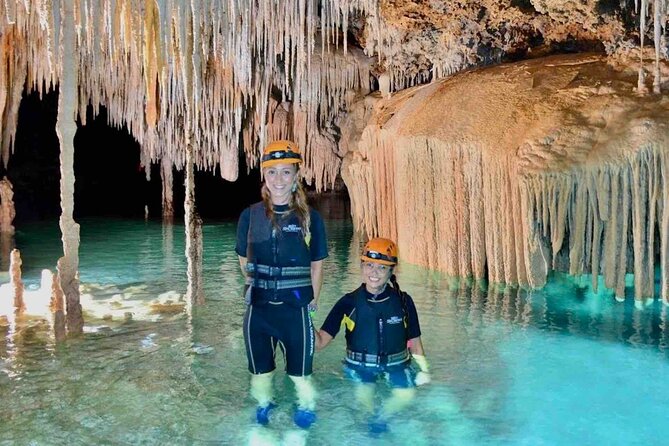
This is the heart of the tour, and the time you’re spending here is what you’re paying for.
What you’ll do
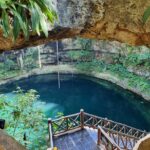
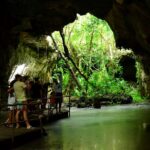
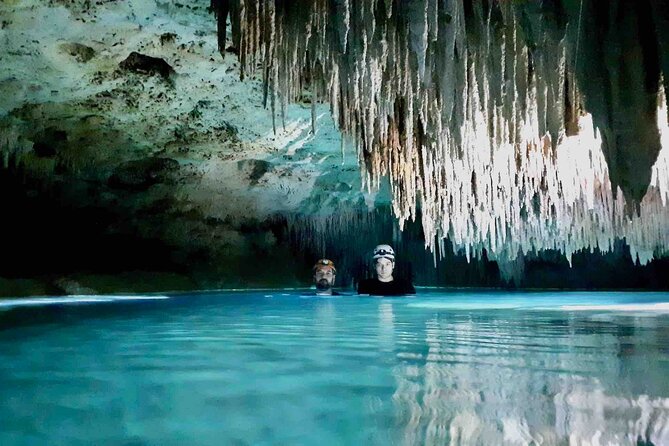
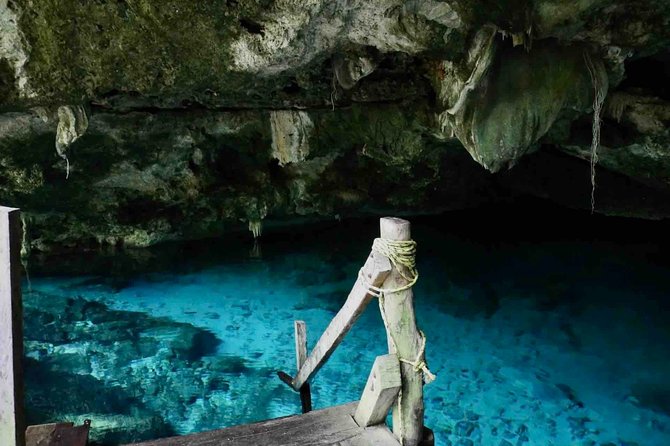
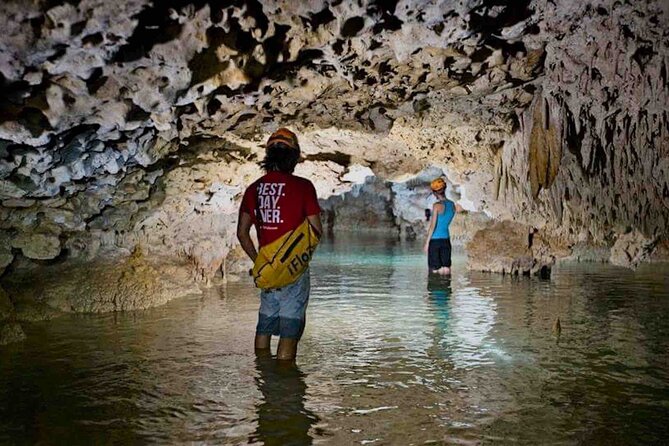
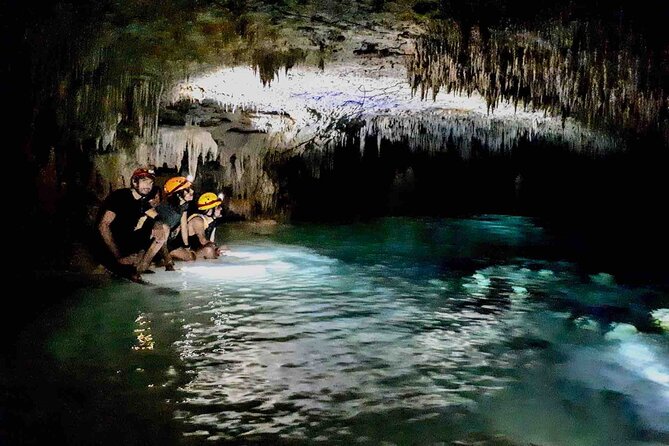
You’ll follow the guide through a route that includes both dry hiking sections and wet areas where you’ll swim. Expect the cenote to feel like a living maze: crystal-clear water, cave chambers, and passageways where the formations look dramatic even without fancy lighting.

What you’ll see
The most specific theme is fossils. Your guide should show you fossilized corals and marine life preserved in stone. This is where the tour becomes more than a scenic swim. You’re training your eye to notice textures and shapes that match real ancient organisms.
You may also encounter Mayan artifacts. Even if you’re not a history nerd, having a guide connect artifacts to local ritual and purpose turns random finds into something meaningful. It also helps you understand why cenotes are such important places in Maya-era stories: they’re not just water holes. They’re part of the way people interpreted the world.
A note on insects and timing inside
One practical tip from the experience: bats help control mosquitoes inside the cave, so the uncomfortable bug-factor is mostly an outdoor waiting thing. Bring bug spray for before and after, then enjoy the cave’s calmer air once you’re inside.
The Drive and Transfers From Playa del Carmen (and Why It Matters)
A private cenote tour still needs transportation, and here’s the realistic part: the round-trip transfers from Playa del Carmen are included, but transportation is in a shared van. That came up in a negative situation for one person, but in day-to-day terms it means you’re not 100 percent in control of every minute the way you might expect from a fully private car.
What you should expect:
- Pick-up is available if your hotel is within Playa del Carmen, otherwise you’ll meet at the main spot.
- The drive includes time on rougher jungle roads. People specifically mentioned about a 20-minute bumpy drive once you leave the highway. If you get carsick, this is worth planning for.
The upside of the included transfers is simple: you don’t have to figure out local logistics mid-trip. You show up, get kitted up, and move.
Where you meet
The meeting point is 8:00 AM at the Sangha-Rito restaurant on Av. CTM 5 in Zazil-ha area, next to Starbucks in the center of Playa del Carmen. The tour ends back at the same meeting point.
If you want pickup, send your hotel name and room number, plus a WhatsApp number, so they can match you to the right van.
What’s Included, What Isn’t, and the Small Extras to Budget For
This tour is priced at $146.99 per person, and the value is strongest when you look at what’s included. You get:
- bilingual guide
- helmet with lamp
- life jacket (not obligatory)
- snacks plus fruit
- bottled water
- all fees and taxes
- round-trip transfers from Playa del Carmen
- activity admission ticket included
That reduces the usual stress of cenote trips, where you often end up paying separately for equipment or park entry.
Wetsuit rental
Not included, but available onsite for $10. If you hate cold water, don’t wait and hope. Rent early.
Reef shoes and comfort footwear
One group noted reef shoes were provided. Since it’s not listed as a formal inclusion, treat it like a possible bonus rather than a guarantee. Either way, you’ll want foot protection that works well in wet, rocky areas.
Photos and electronics rules
This is a big one. Inside the cave, you can’t bring electronics unless you have a waterproof GoPro style setup attached to your body (based on the rules described by a guest). Instead, the tour may take photos, and you can review and purchase them later for 800 pesos.
If you care about pictures, plan before you arrive:
- bring a waterproof camera option you’re comfortable wearing
- assume you might rely on the tour’s photo set more than your own phone footage
Tipping and last-minute costs
Bring some cash. One visitor advised having cash ready to tip your guide. If you buy photos or choose the wetsuit, cash is helpful too. (The tour response also mentioned photos and wetsuit can be paid with credit card or cash, but cash makes life easier.)
Who Should Book This Cenote & Cave Experience
This is a great fit if you want a guided cenote that mixes nature, fossils, and cultural context without feeling like a long, slow museum visit.
It’s especially good for:
- couples and small groups who want a quieter experience in a remote-feeling area
- anyone who likes science facts explained simply while you’re actually looking at the evidence
- families who have a range of ages, since the route includes walking and swimming with guidance (one family went from age 5 up to 68)
It may be less ideal if:
- you get motion-sick on bumpy jungle roads (the drive can feel rough)
- you hate water time and cold temps (consider wetsuit rental)
- you’re counting on using your phone inside the cave (electronics restrictions apply unless waterproof)
Practical FAQ for Your Day in Playa del Carmen
FAQ
How long is the Private Cenote & Cave tour?
It runs about 2 to 3 hours.
Is pickup from Playa del Carmen included?
Yes, round-trip transfers from Playa del Carmen are included. If your hotel is within Playa del Carmen, pickup may be possible.
What time does the tour meet?
The meeting point is at 8:00 AM at the Sangha-Rito restaurant next to Starbucks in central Playa del Carmen.
How many people are in the group?
This activity has a maximum of 8 travelers.
What safety gear is included?
You’ll receive a helmet with lamp. A life jacket is also provided (not obligatory).
Do I need a wetsuit?
A wetsuit is not included. You can rent one at the location for $10. The cave can be cool and you’re entering and exiting the water.
Are snacks and drinks included?
Yes. Snacks, bottled water, and fruit are included.
Is the guide offered in English?
Yes. The tour lists a bilingual guide and is offered in English.
Should You Book This Cenote & Cave Tour?
If you want a cenote experience that’s more than pretty water, I’d book it. The combination of fossil-focused guiding, cave navigation with safety gear, and inclusion of transfers and core equipment makes it feel like a well-run outing rather than a last-minute activity.
I’d think twice only if you’re very sensitive to bumpy rides, cold water, or you’re hoping to film freely inside the cave with regular electronics. If that doesn’t sound like you, this is an excellent way to see Cenote Chaak Tun and leave with both stories and real geology you can point to.