REVIEW · PLAYA DEL CARMEN
Open Water Diver 2-Day PADI Course in Playa del Carmen
Book on Viator →Operated by SCUBA LIBRE · Bookable on Viator
Two days in Playa del Carmen can turn into a PADI Open Water certification. I like that you get full equipment plus a scuba scuba-training plan that’s split into theory, pool skills, and boat time. I also like how small the setup is, with groups capped at 8. The one thing to keep in mind: water conditions can shift, and on at least one session the plan may change if currents or visibility don’t cooperate.
You’ll spend the first part getting your head around buoyancy, breathing, and safety basics through online theory review. Then you’ll build real comfort in a pool with 2 mornings of training, before you head out on 2 afternoons for 4 open-water training sessions by boat. A course like this is a hands-on start, not a sightseeing cruise.
Key things I’d clock before you go
- Small groups (max 8) means more time with your instructor and fewer waiting turns.
- Two mornings in the pool help you practice skills before you go out on the water.
- Four boat-led open-water sessions are built into the 2-day format.
- Full scuba equipment and a scuba computer rental are included, so you travel lighter.
- Instructor flexibility can help when visibility or currents aren’t ideal.
- Certification on-site with a PADI logbook and end certificate.
In This Review
- Where Playa del Carmen fits a first-time PADI course
- Price and what you really get for $299
- The 2-day rhythm: theory, pool mornings, and 4 open-water sessions
- Online theory first
- Two mornings in the pool
- Two afternoons for open-water application
- Scuba Libre: how the start at their Centro location works
- Confined water training: why pool mornings matter more than you think
- What to bring mentally
- Open-water sessions off the boat: what to expect in real conditions
- Depth and what it means for you
- Equipment, scuba computer rental, and your logbook
- Instructor quality: what makes this course feel smooth
- Who this course fits best in Playa del Carmen
- A few smart tips to get the best results
- Food, photos, and the extras that can affect your budget
- Depth limits and safety boundaries you should understand
- Should you book this PADI Open Water course in Playa del Carmen?
- FAQ
- What is included in the PADI course price?
- What is not included?
- Where does the course start?
- What time does the activity operate?
- How many people are in the group?
- What languages are offered?
- What age do you need to participate?
- How deep does the training go?
- Can I change or get a refund after booking?
Where Playa del Carmen fits a first-time PADI course
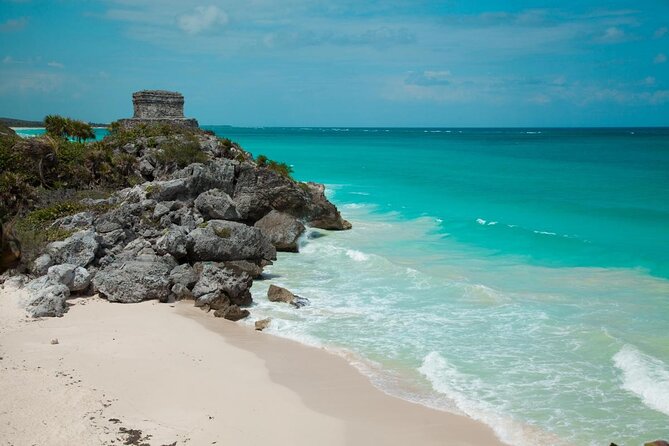
Playa del Carmen is a practical choice for an entry-level certification because it’s easy to reach, and it’s built for tourist activities. The course starts in the Centro area at Scuba Libre (Calle 4 Nte Manzana 3 between 5a avenida and zona federal maritima). From there, the schedule is simple: theory first, then pool, then boat days.
What you gain by choosing this base is real training time. You’re not spending your days bouncing between far-flung locations. You’re using your mornings to get skills locked in, and then using the afternoons to apply them in open-water conditions.
If you’re the type who likes structure, this course has it. PADI’s Open Water framework is consistent: you learn the principles, practice in a controlled setting, then apply it out in open water. That structure is especially helpful if you’re nervous at the start.
Price and what you really get for $299
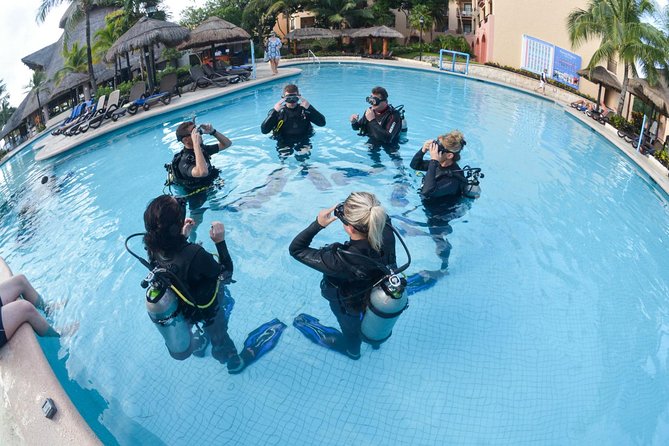
The course price is $299 per person, and it’s priced as a bundle. Included items matter here:
- Log book
- Full scuba equipment and scuba computer rental
- Pool training
- 4 open-water sessions by boat
- PADI certification
For a first certification, the biggest hidden cost is often gear. Here, you don’t have to price out rentals or try to source a mask that fits well last minute. You also don’t have to plan a separate certification paperwork package. You’re paying for the whole learning arc.
What’s not included:
- Photos
- Lunch
- Digital materials (ebook, videos, certificate) listed as $199 USD
- A boarding fee if you want to do it from Sandos Hotel (the info gives two figures: 50 USD in one place and 60 USD in another, so confirm the exact amount at booking)
So the value equation is: you’re paying $299 for the training and core certification package, while extras like photos and digital course materials are add-ons. If you already have the online materials you need, you may never touch that $199 digital option. If you want everything in one place, you’ll likely want to budget for it.
You can also read our reviews of more tours and experiences in Playa del Carmen
The 2-day rhythm: theory, pool mornings, and 4 open-water sessions
This is a tight schedule, but it’s also the point. In total, you’re looking at about 2 days.
Here’s the rhythm you should expect:
Online theory first
You’ll do the online knowledge review to learn the principles of scuba technique and safety. This isn’t meant to be a vague video playlist. It’s your mental toolkit for what you’ll practice next: breathing, control, and safe decision-making.
The upside: you can review on your own time before you show up. The goal is that you arrive ready to move straight into skills.
Two mornings in the pool
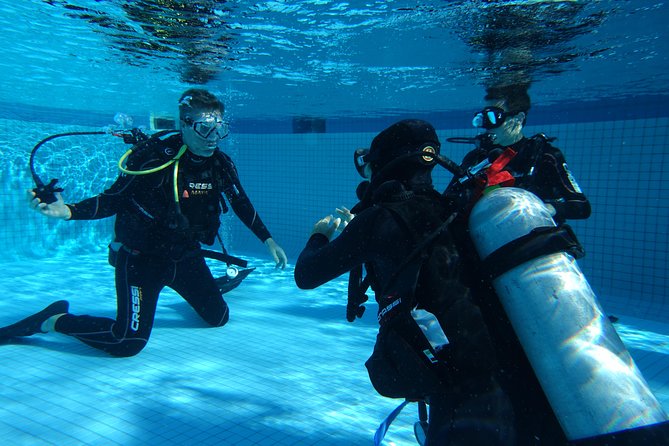
After the online part, you’ll get pool training for 2 mornings. This is where you learn and repeat core behaviors until they feel automatic. You’re not learning just one skill. You’re learning a flow: how you check yourself, how you manage breathing, and how you handle common moments like adjusting position and staying calm.
This pool block is where confidence is built. If you want the best possible open-water experience on day two, take the pool portion seriously. The pool is where you prove to yourself that you can stay relaxed.
Two afternoons for open-water application
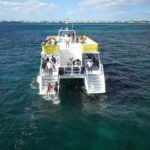
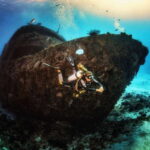
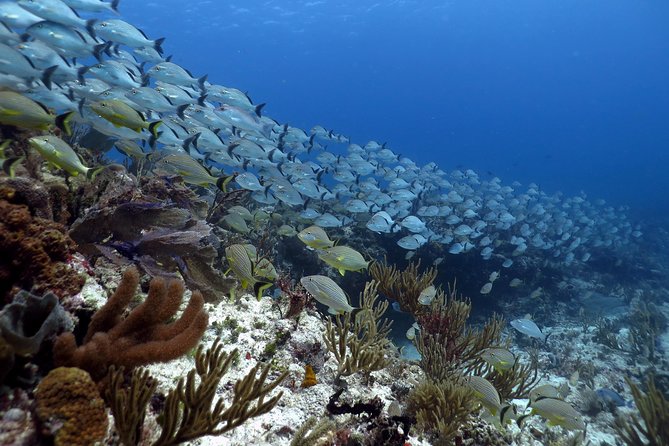
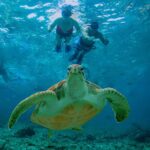
Then come two afternoons for 4 open-water training sessions by boat. These are not random swims. They are structured practice that lets you apply what you learned in the pool while adapting to real conditions like movement, buoyancy changes, and natural water variability.
This is also where the course can feel different depending on the day. Currents and visibility can change. On one example, currents and low visibility affected the first open-water session, and the team shifted to a different location for the next one with better visibility. That kind of flexibility is a big deal because it keeps the learning on track.
Scuba Libre: how the start at their Centro location works
Your official start point is Scuba Libre in Centro, Playa del Carmen. The location is listed as Calle 4 Nte Manzana 3 between 5a avenida and zona federal maritima, which also means you’re in the middle of things.
Two practical benefits:
- It’s near public transportation, so you’re not forced into a complicated ride plan.
- The activity runs 8:00 AM to 5:00 PM year-round, so it’s easier to coordinate with other plans around it.
Also, groups are capped at 8 travelers, so you’re not walking into a mega-setup. That typically translates into less waiting, faster fitting of gear, and more instructor attention.
Confined water training: why pool mornings matter more than you think
I love when training is honest about what matters first. The pool block is where you learn to control yourself before the ocean asks anything extra of you.
In practical terms, the pool part does three things:
- It teaches your body how to stay stable while wearing scuba gear.
- It makes safety steps feel routine.
- It gives you a chance to ask questions and correct habits early.
Even if you’re a strong swimmer, you still have to learn scuba-specific control. Breathing rhythm and buoyancy are not the same as swimming for fitness. In the pool, mistakes are cheaper. You can practice until you get it without the added stress of boat transfer or changing open-water conditions.
What to bring mentally
Your goal is calm and consistency. Show up ready to practice, not ready to impress. If you treat the pool like a training lab, your open-water sessions will feel easier.
Open-water sessions off the boat: what to expect in real conditions
Once you’re out on the water, the experience changes fast. In open water, you’re dealing with:
- natural water movement
- variable visibility
- the need to stay aware of surroundings while staying calm
That’s why this course includes 4 open-water sessions rather than only one. You’ll apply the skills, then you’ll get another chance to use them again once conditions feel more familiar.
On at least one course example, the first open-water session had strong currents and lower visibility, so the group changed locations for the next session. The takeaway for you: don’t lock your expectations into a single storyline. On the water, conditions decide part of the plan, and the goal stays the same—safe practice and learning.
Depth and what it means for you
The certification training supports dives to a maximum of 18 mt / 60 ft. That depth matters for two reasons:
- it tells you the course has clear boundaries
- it helps you plan your comfort level as training progresses
You don’t need to chase depth. You need to master control and safe procedures within the course limits.
Equipment, scuba computer rental, and your logbook
One of the most practical inclusions here is full equipment and scuba computer rental. For first-timers, this is huge. A mask that fits wrong can wreck a day. A tank setup that’s not adjusted can make you feel out of control. Renting the full kit through the course keeps everything standardized.
You’ll also get:
- a log book, which is the official record of your training
- the PADI certification paperwork at the end
If you’re planning to continue into future training, having a proper log book helps. It’s not just a souvenir. It’s useful for your next steps and it keeps your training clear and official.
Instructor quality: what makes this course feel smooth
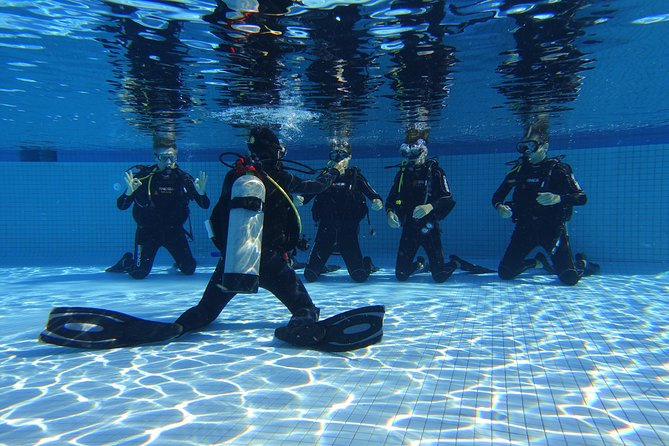
The best courses don’t just teach rules. They coach your body through the process so you feel safe and capable.
In at least one firsthand experience, the instructor was Sam, and the course stood out for being organized and well explained. The big plus wasn’t just teaching the material—it was adapting when conditions changed. When the first open-water session wasn’t ideal due to currents and visibility, they adjusted for a better next location, and the second session went more smoothly.
You should look for that kind of practical leadership: the ability to teach, monitor, and switch plans when needed without turning it into chaos.
Who this course fits best in Playa del Carmen
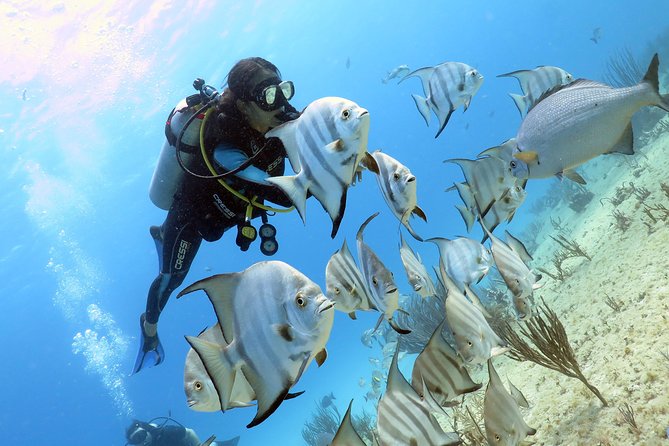
This PADI Open Water track is for people who meet the basics:
- Adequate swimming skills
- Good physical health
- Minimum age for the course is 10 years
- To earn the Open Water certification, the requirement listed is 15 years old
- For ages 10 to 15, there’s a Junior Open Water Diver program option
So ask yourself which path you’re on. If you’re older and ready for the standard certification, plan for that full end goal. If you’re in the 10–15 range, the junior option may be a better fit.
This is also a strong choice if you’re:
- starting from scratch and want structured coaching
- short on vacation time and want a full course in 2 days
- traveling to Playa del Carmen and want to avoid long, complicated planning
A few smart tips to get the best results
You’ll get more from the course if you show up with a mindset of learning, not performance.
Here are the practical things I think help most:
- Treat the pool training like the main event, because it is.
- Ask questions early, before you get stressed underwater.
- Expect changing conditions. If visibility isn’t great, it doesn’t mean the day is ruined.
- Wear the right comfort. Lunch is not included, so plan what you’ll eat before or after training.
- Don’t overthink the photos option. If you care, consider budgeting for it later.
Also, remember what you’re here for. You’re learning the skills and safety system that let you dive within the course rules later. Better “sites” can come in future certifications, and some of the more famous options may be closer to Cozumel depending on conditions and your next plans.
Food, photos, and the extras that can affect your budget
This course includes training and certification basics, but not everything around the edges. Lunch isn’t included, and photos aren’t included.
There’s also that option for digital materials listed at $199 USD (ebook, videos, certificate). If your plan is to follow the course with everything needed ahead of time, you may want those. If you already have access to what you need, you could skip that add-on and simply focus on showing up prepared.
Then there’s the Sandos Hotel boarding fee if you want a Sandos-based pickup/start. The info lists a 50 USD fee in one place and a 60 USD fee elsewhere, so I’d treat it as a confirm-at-booking detail, not a number you should set in stone before you go.
Depth limits and safety boundaries you should understand
It’s good that the course sets a maximum training depth of 18 mt / 60 ft. That gives you a clear expectation of what the course is designed for.
But for a first-time student, the deeper point is this: safety comes from learning control skills. Buoyancy, breathing rhythm, and staying within your training boundaries matter more than hitting any specific feeling of intensity. A well-run course will keep the training focused on repeatable safety habits.
And since the team can shift open-water locations based on currents and visibility, safety decisions are part of the process, not an afterthought.
Should you book this PADI Open Water course in Playa del Carmen?
If you want a fast, structured start to scuba and you value coaching, I’d say this is a solid pick. The price includes the core components that usually cost extra elsewhere: gear rental, pool training, boat-led open-water practice, a log book, and the PADI certification. That’s a clean value package for a 2-day plan.
I’d especially consider it if:
- you’re comfortable learning in a group of up to 8
- you want to get your certification quickly without extra logistical headaches
- you’re open to adjusting expectations if water conditions aren’t perfect
I’d think twice if:
- you need guaranteed high visibility on every open-water session (conditions can change)
- you strongly prefer an add-on-free experience with no extra fees (digital materials, photos, and lunch are not included)
- you’re sensitive to tight schedules, since the course is packed into online theory plus two mornings and two afternoons
My bottom line: if you show up ready to practice, this course gives you the exact foundation you need, with enough flexibility on the water to keep the training on track.
FAQ
What is included in the PADI course price?
The price includes a log book, full scuba equipment and scuba computer rental, pool training, four open-water sessions by boat, and the PADI certification.
What is not included?
Photos, lunch, and digital materials (ebook, videos, certificate) are listed as not included. A boarding fee may apply if you choose Sandos Hotel.
Where does the course start?
The meeting point is Scuba Libre at Calle 4 Nte Manzana 3 between 5a avenida and zona federal maritima in Centro, Playa del Carmen.
What time does the activity operate?
The opening hours are listed as 8:00 AM to 5:00 PM, Monday through Sunday.
How many people are in the group?
The maximum group size is 8 travelers.
What languages are offered?
The course is offered in English.
What age do you need to participate?
The minimum age for the PADI course is 10 years. To earn the Open Water certification, the requirement listed is 15 years old. There’s a Junior Open Water Diver program for ages 10 to 15.
How deep does the training go?
The maximum depth mentioned is 18 mt / 60 ft.
Can I change or get a refund after booking?
This experience is non-refundable and cannot be changed for any reason, and the amount paid is not refunded.
—
If you tell me your age, swimming comfort level, and whether you’re staying near Sandos Hotel or somewhere else in Playa, I can help you estimate the most realistic total cost and plan your day around the two pool mornings and the two open-water afternoons.