REVIEW · PLAYA DEL CARMEN
Mayan Adventure Snorkeling Tour from Cancun
Book on Viator →Operated by Aventuras Mayas S.A. de C.V. · Bookable on Viator
A cenote and ocean snorkeling in one morning-plan. This Mayan Adventure trip mixes three aquatic settings into a single day, with guides who explain what you’re seeing as you swim. Expect jungle water, cool swims, and a real sense of Mayan place-making at the cenote.
Two things I especially like: the snorkeling feels unrushed and guided without crowding you. I also like that you get more than surface views—your guide points out marine life and plants as you go, and you’re set up with the gear and transport to make it easy.
One thing to plan for: this is a long pickup-to-return day if you start in Cancun. Add in the fact that the water can feel cold (around 72°F) and mosquitoes can be intense until you’re in the water.
In This Review
- Key highlights to know before you go
- Riviera Maya Morning Pickup: The Drive Is Part of the Deal
- What I’d do to enjoy the ride more
- Yal-ku Lagoon in Akumal: A Colorful Open-Water Start
- Practical things to watch for here
- Open Cenote in the Jungle: Zip Line, Jump Platform, and a Quick Reality Check
- Temperature and critters: go prepared
- The Underground River Section: Cold Water, Lamps, and Mayan Symbolism
- Why this works so well
- Ocean Inlet Stop #3: Fins On, Water Shoes On
- Water shoes aren’t optional, at least practically
- The Guide Factor: You Want Calm, Not Crowd Control
- What your guide should help with
- Lunch and Break Time: Refuel So You Enjoy Stop Three
- The best lunch strategy for snorkel days
- What’s Included (and What You’ll Need to Pay For)
- How I judge the value
- Timing: How Long This Really Feels
- Who This Tour Fits Best (and Who Should Skip It)
- What to Bring: Make the Day Easy on Yourself
- Booking Notes That Affect Your Comfort
- Should You Book This Mayan Adventure Snorkeling Tour?
- FAQ
- What time does the tour start?
- Where is pickup offered?
- How long is the snorkeling tour?
- What snorkeling locations are included?
- Is lunch included?
- What snorkeling gear is provided?
- Do I need to know how to swim?
- What should I bring?
- Are prescription goggles available?
- Is there free cancellation?
Key highlights to know before you go
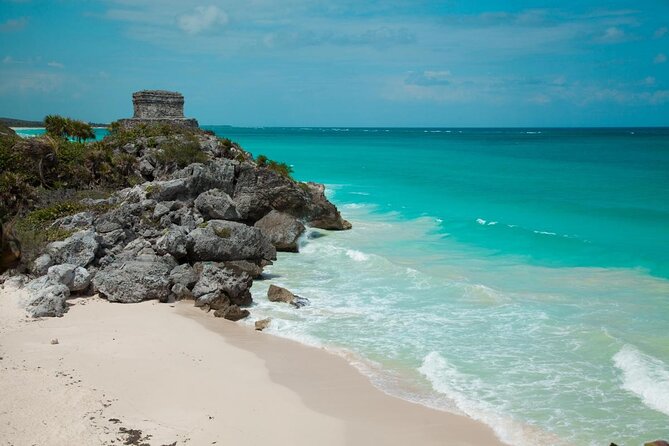
- Three snorkeling ecosystems: Yal-ku Lagoon, a jungle cenote setup, and an ocean inlet stop
- Small group: maximum 14 people, which helps the day feel calm
- Guide-led nature spotting: learn what you’re seeing (plants and marine life) as you snorkel
- Cool-water reality: water is reported around 72°F at all three snorkeling points
- Jungle cenote fun zones: jump platforms and a zip line at the open cenote area
- Bring water shoes: walking on gravel/rough terrain is part of the day
Riviera Maya Morning Pickup: The Drive Is Part of the Deal
This tour is built for a full-day flow, even though the snorkeling time is the star. The day starts at 7:00am, and pickup covers resorts across Riviera Maya. If you’re coming from Cancun, be ready for extra transit time because the van has to collect more people before heading south.
The upside of that shared-ride setup is that it keeps things simple. You don’t need to arrange a taxi or rental car, and you show up with snorkeling gear and transport already handled. The minivan runs on an air-conditioned schedule, so you’re not cooking on the ride.
You can also read our reviews of more snorkeling tours in Playa del Carmen
What I’d do to enjoy the ride more
Pack your day bag with things you’ll want before you hit the water: sunscreen, sunglasses, and a towel. Keep a dry shirt change handy too. The day moves between outdoor areas, then into the water, then back out again—so dry comfort matters.
Yal-ku Lagoon in Akumal: A Colorful Open-Water Start
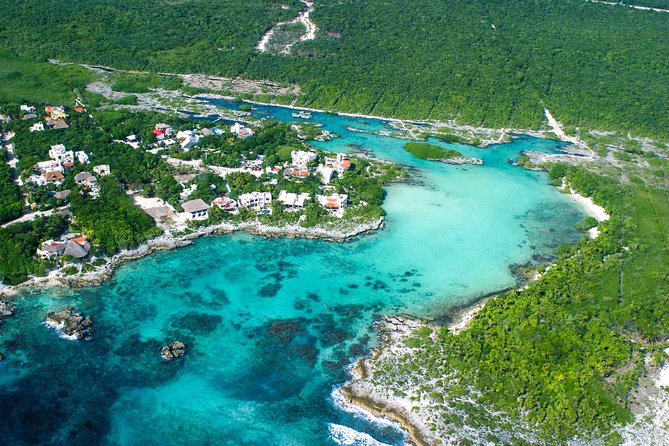
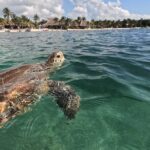
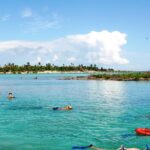
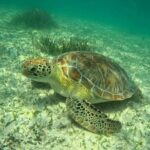
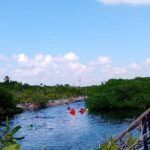
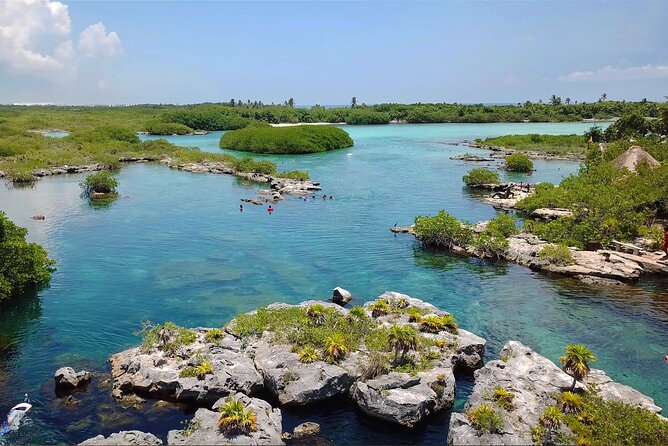
Your first stop is Yal-ku Lagoon in Akumal. This is an ocean inlet environment, so you’re snorkeling in open water with tropical fish and vegetation you can actually see from the surface area.
Why this stop works well for almost everyone: it gets you into the rhythm of snorkeling without starting straight in the darkest, most enclosed space. If it’s your first time, that matters. If you’ve snorkeled before, it still delivers because the water tends to show plenty of fish activity and plant life right in the inlet setting.
Practical things to watch for here
- You’ll be in open-water conditions, so keep a steady snorkel pace and breathe calmly.
- The gear is provided, including masks and snorkels, and you’ll use the life vest system as instructed.
- The water can feel cool, so don’t treat it like a warm swimming pool. Plan for a quick initial chill, then settle in.
Open Cenote in the Jungle: Zip Line, Jump Platform, and a Quick Reality Check
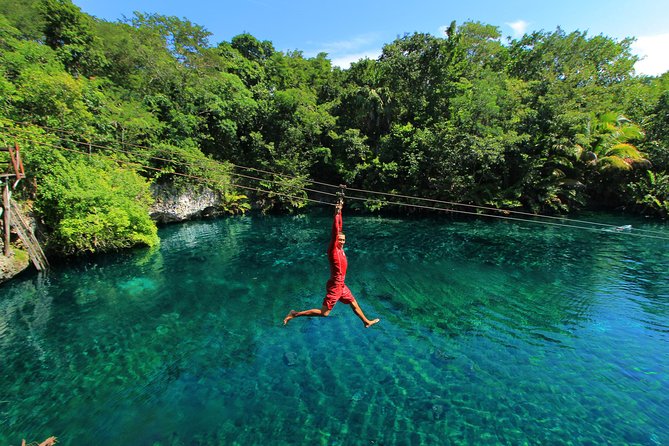
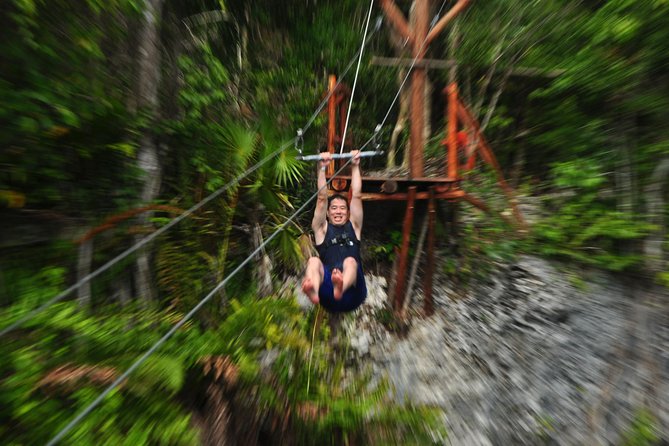
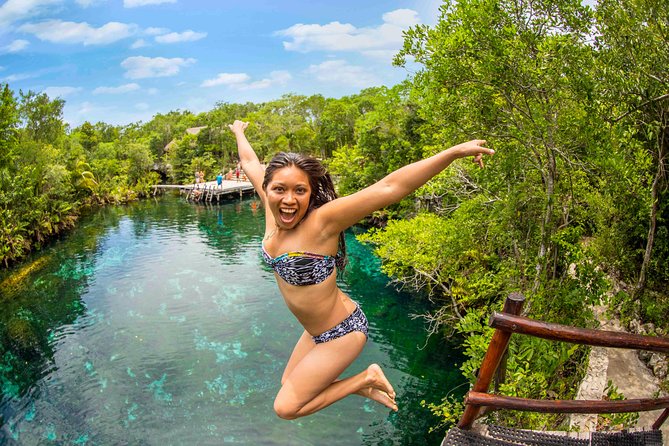
Next up is an open cenote in the jungle. This part of the day is more than a scenic walk. It’s where the experience turns into something physical and fun: there’s a zip line ride into the water area and a high platform option for jumping.
If you’re not chasing adrenaline, you’ll still have a way in. There’s a wooden ladder for easier entry. That flexibility is a big deal because it means you can match the cenote experience to your comfort level without being pushed.

Temperature and critters: go prepared
The water at these snorkeling points is reported around 72°F, and you’ll feel that as you first step in. Layering matters, but you also want to be able to move easily in swimwear.
Also, bring and use mosquito repellent. The guidance is straightforward: bugs can be rough until you’re in the water. And yes, you might see bats around the cenote zone, especially near the cave/cenote areas later. It’s not a scare show—just part of the natural system.
The Underground River Section: Cold Water, Lamps, and Mayan Symbolism
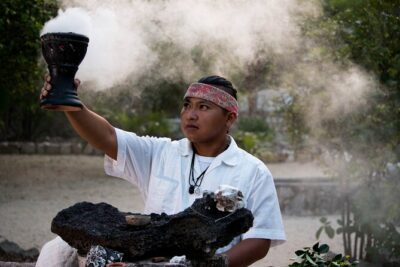
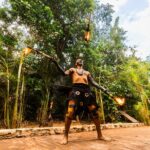
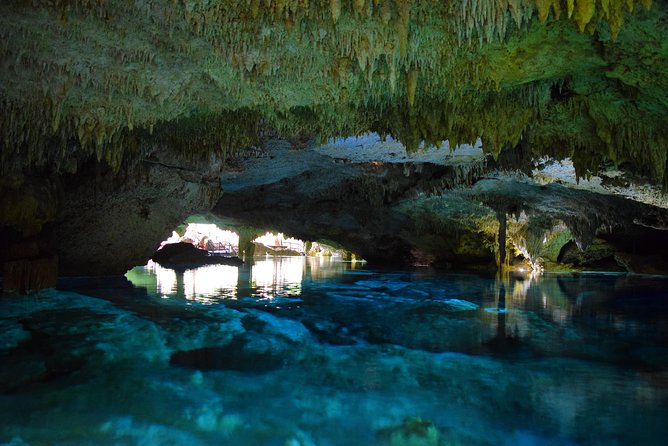
This is the highlight if you want something that feels different from typical beach snorkeling. At the cenote experience, you switch from the open jungle area to the underground setting, often described as the underworld entrance in Mayan context. That theme gives the place extra meaning, and it changes how you see the water and rock around you.
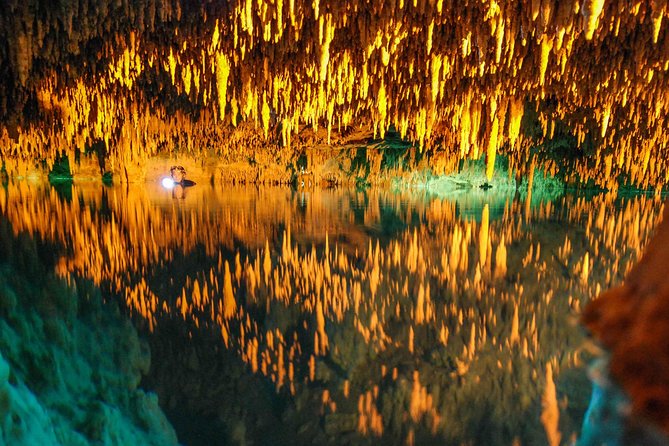
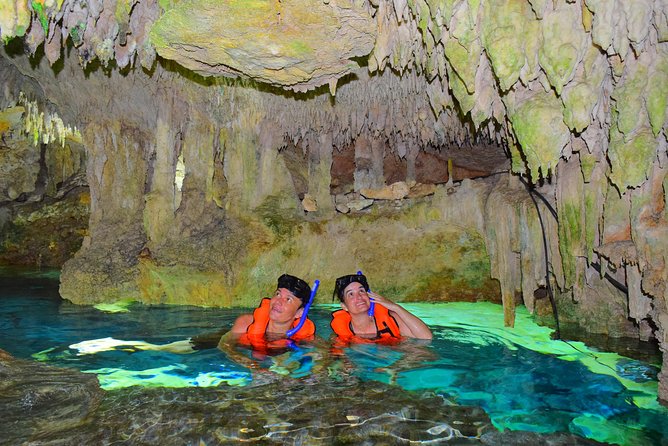
In the underground section, you’ll snorkel through a limestone-carved space with an underground river feel. You can expect a guided setup that includes a light source, and the guide helps you find your way in the darker parts.
Why this works so well
Underground snorkeling adds three things standard ocean snorkeling can’t always match:
- Rock formations that frame the water like natural architecture
- A sense of scale from the limestone walls and ceiling shapes
- More controlled surroundings, so the guide can keep everyone oriented
It’s also a great place for photos—one tip from experience: you’ll likely have opportunities for group pictures in this cave zone. Those souvenir photos are sold separately, so if photos matter, ask what options you’ll have and when you can view them.
Ocean Inlet Stop #3: Fins On, Water Shoes On
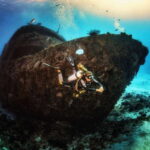
After lunch, you head to the last snorkeling location: an ocean inlet stop. This part is a classic for colorful fish and interesting underwater structure. You’ll spend time looking around for marine life along the inlet edges and in the formations beneath the surface.
One operational note that matters: you’ll likely need fins for this stop. The tour provides masks, snorkels, and life vests, and you’ll be told how to use them at the water entry. If you’ve never used fins before, give yourself a couple minutes to adjust your kick pace so you don’t waste energy.
Water shoes aren’t optional, at least practically
Walking to the snorkeling areas includes gravel and rough terrain. People in sandals often struggle with taking shoes off and putting them back on. Water shoes protect your feet on land and underwater from rocks and awkward footing.
If you want an easy rule: treat every step between bus and water as potential toe-risk. Water shoes keep you focused on snorkeling, not on your feet.
The Guide Factor: You Want Calm, Not Crowd Control
A big part of why this tour earns strong marks is how the guide handles the group. One guide—Victor—was praised for managing the experience smoothly, even with small children, and for speaking excellent English even when different languages were booked.
What I like about that style is the balance: the guide watches over everyone, but you still have room to explore at your own pace. That matters in snorkeling. Too much crowding turns a calm swim into a traffic jam.
What your guide should help with
- Identifying plants and marine life as you snorkel
- Keeping you oriented in cenote spaces
- Encouraging safe entry and exit habits
- Making sure the group stays together without rushing
Lunch and Break Time: Refuel So You Enjoy Stop Three
You get a buffet lunch with a set meal like grilled chicken and rice, along with sides such as potatoes. There are beverages included too, which is helpful after the morning swims and outdoor waiting time.
The lunch setup is easy to access after snorkeling walks. There’s a screened area noted as a smooth transition from the water. Even if you’re not a heavy eater, you’ll want to top off energy before the final ocean-inlet swim.
The best lunch strategy for snorkel days
Eat enough to feel strong, but don’t go full food coma. If you’re sensitive to heavy meals, keep portions moderate and drink water.
What’s Included (and What You’ll Need to Pay For)
This tour packs a lot into the price value because you’re not nickel-and-diming core essentials.
Included:
- Hotel pickup and drop-off
- Air-conditioned transport by minivan
- Professional guide
- Snorkeling gear
- Buffet lunch plus beverages
- Taxes and handling charges
- A mobile ticket
Not included:
- Souvenir photos
How I judge the value
For a day that includes transport, gear, and food, you’re mostly paying for guided access to three different aquatic environments. The small group size (max 14) also helps justify the format. The one thing that can quietly increase your cost is souvenir photography if you buy it, so decide ahead of time whether you want that option.
Timing: How Long This Really Feels
The tour is about 7 hours. In practice, that often means you’re back around early afternoon. One practical takeaway: you’ll be moving for much of the day, and that’s normal for three snorkeling stops plus lunch.
If you have a tight evening plan, keep it flexible. Cenote areas can slow entry and exit a bit depending on how the group moves. The guide usually keeps it smooth, but physical snorkeling days are rarely “exact to the minute.”
Who This Tour Fits Best (and Who Should Skip It)
This trip is labeled for people with basic swimming skills and a moderate fitness level. That’s honest. You’ll be doing water entry/exit, some walking on uneven terrain, and active snorkeling.
It’s a smart match if:
- You want both open-water snorkeling and cenote scenery
- You like being taught what you’re seeing
- You prefer smaller group energy (max 14)
- You want a full day without planning logistics yourself
It’s not a good match if:
- You have back problems, heart complaints, or other serious medical conditions (not recommended)
- You’re uncomfortable in cool water and standing/sitting through outdoor wait time
- You can’t handle basic snorkeling safety expectations
Kids can go, but children must be accompanied by an adult.
What to Bring: Make the Day Easy on Yourself
I’d pack like this for a smooth cenote-and-ocean day:
- Comfortable clothes and footwear
- Water shoes
- Sunglasses and a hat
- Bathing suit plus an extra T-shirt
- Towel
- Biodegradable sunscreen
- Mosquito repellent
- Extra cash (for any add-ons like souvenir photos)
Also, if you need corrective lenses, prescription goggles are available if requested in advance. That’s worth planning for early so you don’t end up using uncomfortable alternatives.
Booking Notes That Affect Your Comfort
The tour is offered in English, and the guide skill matters. Even when guests booked another language, guides like Victor reportedly communicate clearly in English, which helps everyone feel included.
You also get a confirmation at booking, and the experience uses a mobile ticket. That removes the “where do I pick this up” stress.
Should You Book This Mayan Adventure Snorkeling Tour?
If you’re choosing between a simple beach snorkel and a day that mixes lagoon, jungle cenote, and ocean inlet, I’d lean toward this one. The reason is variety. You get multiple ecosystems and a cenote setting that changes the whole mood of the day.
Book it if:
- You want a guide-led experience that doesn’t feel like a cattle push
- You like the idea of snorkeling with natural rock formations and cave-like scenery
- You’re okay with cool water around 72°F and you’ll use repellent
- You’ll wear water shoes and you can handle some walking on rough ground
Skip it if you:
- Hate long van rides (especially if starting from Cancun)
- Struggle with basic swimming requirements
- Have medical concerns like the ones listed (back/heart and similar issues)
If you go in prepared, you’ll come away feeling like you saw more than one postcard version of the Riviera Maya. You’ll see how water systems in the region connect—open ocean inlet, jungle cenote, and the underworld-feeling underground river—without needing to figure out any logistics yourself.
FAQ
What time does the tour start?
The start time is 7:00am.
Where is pickup offered?
Pickup is offered at every resort in Riviera Maya.
How long is the snorkeling tour?
It’s about 7 hours (approx.).
What snorkeling locations are included?
The stops include Yal-ku Lagoon and a cenote area where you snorkel in an underground river, plus an ocean inlet stop.
Is lunch included?
Yes. There’s a buffet lunch, and beverages are included.
What snorkeling gear is provided?
Snorkeling equipment is provided, and life vests are used as part of the snorkeling safety setup.
Do I need to know how to swim?
Yes. Basic swimming skills are required.
What should I bring?
Bring comfortable clothes and footwear, water shoes, sunglasses, a hat, a bathing suit, an extra T-shirt, a towel, biodegradable sunscreen, mosquito repellent, and extra cash.
Are prescription goggles available?
Yes, prescription goggles are available if requested in advance.
Is there free cancellation?
Yes. You can cancel for a full refund up to 24 hours in advance of the experience start time.