REVIEW · PLAYA DEL CARMEN
Chichén Itzá Ancestral Tour from Playa del Carmen with Cenote
Book on Viator →Operated by Cancun Bay Tours · Bookable on Viator
Chichén Itzá is a heat-and-history power day. This tour strings together Chichén Itzá ruins, a sacred cenote swim, a Maya village visit, and a brief taste of Valladolid, all with an early start from Playa del Carmen. I like the mix because you get both geology and big Mayan stonework in one day, instead of choosing one “wow” only.
What I like most is the hands-on pacing: a guided walk that helps you understand the main structures, plus real time to cool off in the cenote instead of just standing at the edge. I also like the built-in convenience of pickup and drop-off from most Playa hotels and the included meal plan (buffet lunch, with more drink help on Plus/Premier).
The main drawback is the trade-off: a long door-to-door day (often longer than 10 to 12 hours) plus extra site fees you pay at destination, along with a good amount of shop time.
In This Review
- Key things to know before you go
- What you’re really paying for: ruins plus a cenote reset
- Pickup reality from Playa: when 10–12 becomes 13–15
- Stop 1: Cenote Noolha by Chichikán and how to make the swim painless
- Stop 2: Naayil Kú Maya Village—culture, ritual, and the shop zone
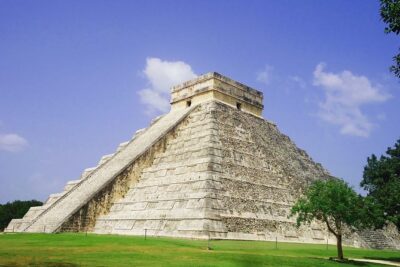
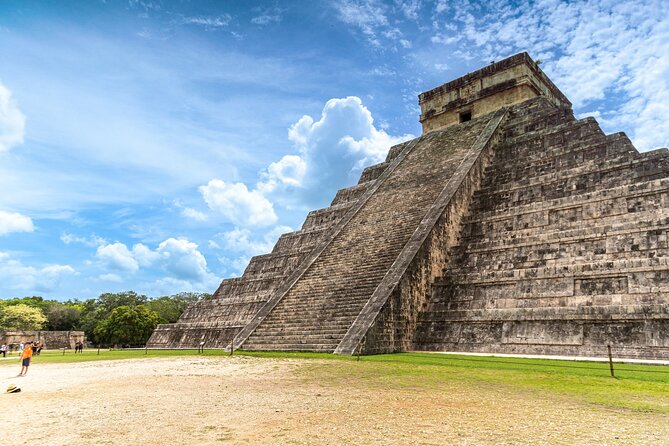
- Stop 3: Chichén Itzá VIP-guided walk—what matters at El Castillo
- A note on entry fees and VIP access
- Stop 4: Valladolid’s quick colonial stroll (and what you can actually do)
- Lunch, drinks, and the add-on fee math that decides value
- How to make this long day feel easier (without missing the fun)
- Should you book this tour?
- FAQ
- How long is the Chichén Itzá and cenote tour?
- Is hotel pickup and drop-off included?
- Are the cenote and lunch included?
- Do I need to pay Chichén Itzá entrance fees at the site?
- What should I bring for the cenote swim?
- Is there a vegetarian option?
- What languages are the tours offered in?
- How big is the group?
- Can I cancel for free?
- Final check: any must-pack items?
Key things to know before you go
- Cenote swim is a true break: you get about an hour at the water for cooling off.
- Maya village stop has real moments like a Mayan ball game demonstration and a shaman-style blessing.
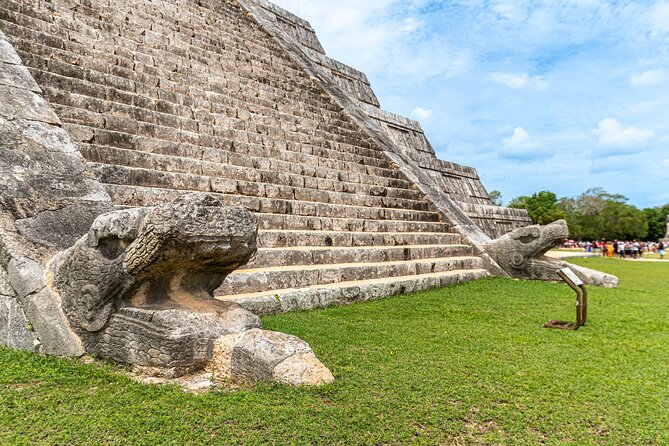
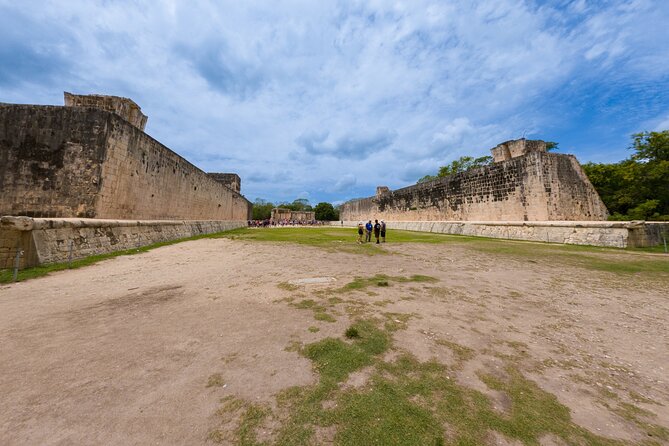
- Chichén Itzá is guided with focus on the big sights like El Castillo (Kukulkán) and the ball court.
- Valladolid is short (around 30 minutes), so think of it as a quick stroll, not a deep dive.
- Expect bus time and stop time: pickups and souvenir stops can stretch the day.
- Bring cash for add-ons: cenote gear rentals and Chichén Itzá entry/taxes aren’t fully included.
What you’re really paying for: ruins plus a cenote reset
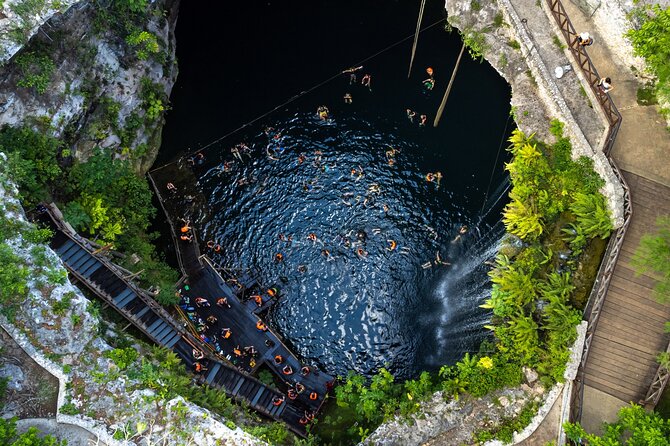
On paper, this is a value-priced tour from Playa del Carmen. The headline price is $24.50 per person, but the real “cost math” is that the big-ticket parts—Chichén Itzá admission and cenote access fees—are handled as extras on site. That means the tour price buys you transportation, guidance, and the schedule.
What you’re getting for your day is a two-part payoff. First, you hit Chichén Itzá, where the architecture rewards understanding: El Castillo (Kukulkán) and the ball court aren’t just photos, they’re cues to how the Maya built meaning into stone. Then you cool down in the cenote, where you swap humidity and sun for clear water and a slow, refreshing break.
If you’re the type who hates “drive all day then see one thing,” you’ll probably enjoy the balance here. The day has a rhythm. The downside is that the rhythm can shift a bit by departure timing, and the total time can run long.
You can also read our reviews of more tours and experiences in Playa del Carmen.
Pickup reality from Playa: when 10–12 becomes 13–15
The tour starts around 7:00 am and is designed for hotel pickup and drop-off (most Playa hotels). There’s a cap of 45 travelers, which usually keeps things from turning into a roaming crowd, but you’ll still be on a large group schedule.
One practical detail: door-to-door time often stretches. People starting in Playa have described the ride as closer to 13 hours or more, mainly due to efficient-but-thorough pickups and (in some cases) routing toward the Tulum area. The bus is air-conditioned, and one common tip is that there’s typically no Wi‑Fi, so download maps or offline music before you leave.
You’ll likely wait at some point. Sometimes it’s for other passengers. Sometimes it’s for switching from one mini-bus/van flow to another. None of that ruins the day, but it does mean you should pack patience along with your towel.
For Tulum area departures, pickup may not be available from Tulum hotels; you may meet at Super Market Super Aki at 09:40 am instead. So confirm where you’re supposed to gather if you’re not staying in Playa.
Stop 1: Cenote Noolha by Chichikán and how to make the swim painless
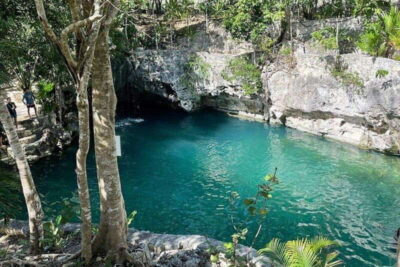
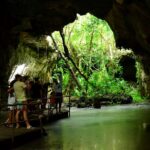
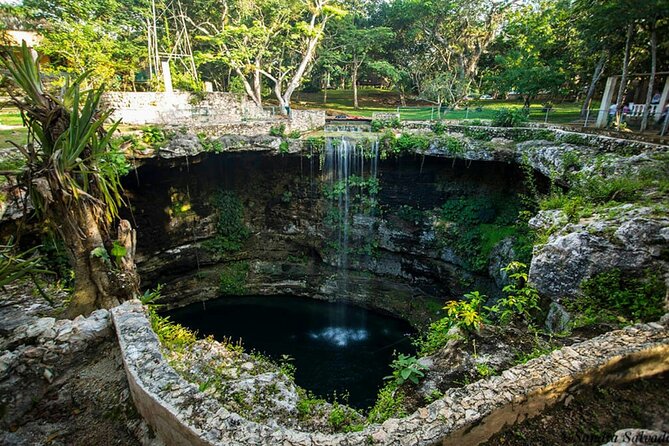
The cenote stop is about one hour with admission included. This is the kind of stop that actually resets your body. After hours in sun and humidity, the water feels like you hit a different planet.
Bring practical swim gear even if you think you won’t need it. A few reviewers specifically called out that you should pack sandals and a towel, and also plan for a life jacket rental fee at the cenote (listed as $5, paid on check-in). In real life, you’ll often want water shoes if the entry area is slippery or the bottom is rocky.
Also note the shade situation. Cenotes can feel cooler in the water, but the walkways and lounging areas vary. Plan to spend most of your time in the water or with a quick rinse-and-go, not with a long picnic.
One more thing: your wet stuff becomes your afternoon “problem.” Bring a small bag for wet items (or something you can hold a damp towel in). If you don’t, you’ll end up with soggy bags on the bus.
Stop 2: Naayil Kú Maya Village—culture, ritual, and the shop zone
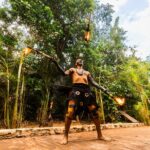
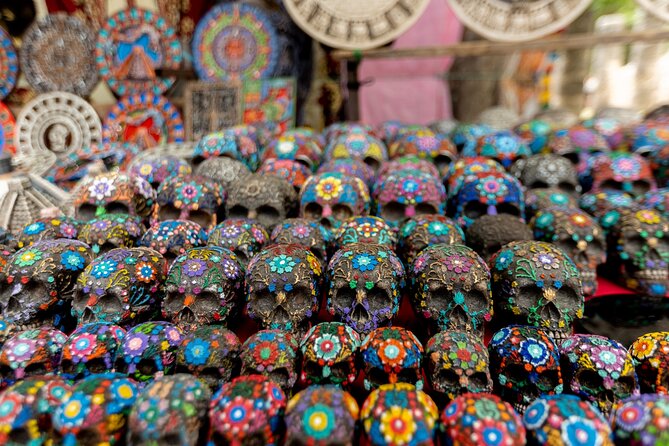
This is the part of the day that splits people. It’s designed as a cultural encounter, guided by Maya performers, with welcome moments that can include a Maya warrior and a shaman-style blessing/cleansing. You walk a sacred path with stories and symbolism, then you get a taste of local crafts.
The highlight is the live Mayan ball game demonstration by authentic warriors. You also get a tequila tasting during the visit. That pairing is very “Yucatán experiences”: history lessons beside living traditions, plus a cultural drink moment that’s meant to be educational and fun.
The consideration here is shop time. Multiple visitors described this stop as heavy on buying opportunities, with extra sales pressure. You might find the crafts interesting, and I think it can be worth it if you treat it like a cultural demo and keep your wallet locked until you’re ready.
If you’re sensitive to constant sales pitches, set yourself a simple rule: browse for 10 minutes, buy only what you genuinely want, then move on. This keeps the stop from stealing your mental energy.
Stop 3: Chichén Itzá VIP-guided walk—what matters at El Castillo
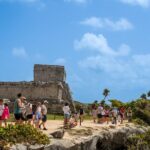
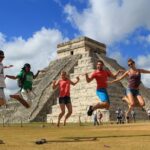
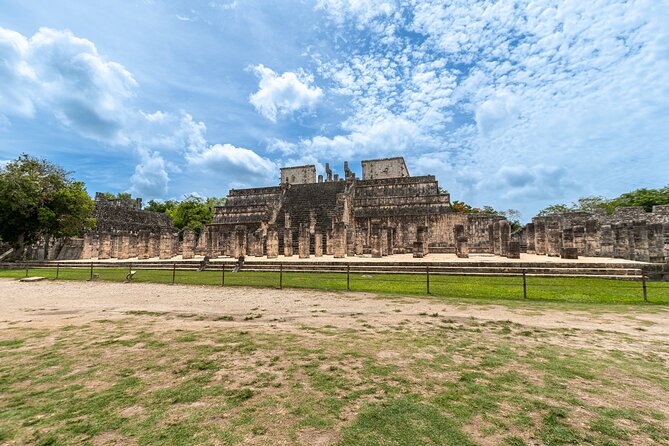
Chichén Itzá is the reason most people book this tour. You’ll get a guided visit focused on the key hits—especially El Castillo (Kukulkán) and the ball court—with commentary about Mayan history, culture, and architecture.
In some departures, guides like Rodolfa and Gonzalo are named as strong explainers, including English-speaking translation for the group. Others have mentioned guides using fast Spanish-to-English switching, which can be harder to follow if you’re trying to watch the monuments and listen at the same time. Either way, you’ll get more from this stop if you stay alert and ask questions when you have them.
Here’s the big physical reality: the site is hot. One recurring theme is that there’s very little shade on the main walk routes, and humidity can feel brutal when you arrive later in the day. Even if the tour is timed well, plan for sun and heat.
If you’re thinking about your pace, you’ll do a lot of walking on uneven ground. You don’t need “athlete” fitness, but you do need the ability to handle stairs, sun, and time on your feet. A moderate fitness level is recommended.
Also, timing can affect how much you catch. Some people received a Chichén Itzá plan that felt shorter than expected, so you might not see every side structure in depth. If you want the full site tour with details like Venus Platform, Thousand Columns, and other lesser-seen buildings, keep in mind a group schedule can compress the time.


A note on entry fees and VIP access
Chichén Itzá admission is not included in the base price. The tour data lists additional costs such as $8 Chichén Itzá admission, a $37 Chichén Itzá CULTUR fee, and taxes of 45 USD payable at destination. Some people also described being asked for around $40 USD per person for Chichén Itzá entry tied to VIP access/skip lines.
Different groups may see the amounts presented slightly differently during check-in. The best move: bring cash, and arrive ready for “mandatory at destination” payments. One more heads-up from the day-of experience: there can be a 4% credit card service fee if you pay that way.
Stop 4: Valladolid’s quick colonial stroll (and what you can actually do)
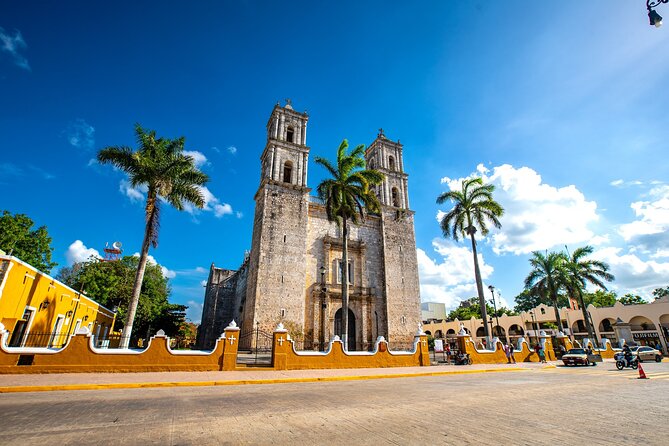
Valladolid is on the plan as a short break—about 30 minutes. It’s called a Magic Town, and the appeal is simple: colonial-era streets, a town square vibe, and classic architecture like the cathedral.
In practice, that half hour is more “walk and snack” than “explore.” If you hit Valladolid while it’s daylight and not too crowded, you can grab a quick look, take a few photos, and maybe try street food. If the light is already fading, your “explore” becomes restroom plus churros plus a photo from the square.
I like Valladolid as a palate cleanser after stone ruins. Just don’t treat it like a second main destination. Put your expectations in the right size.
Lunch, drinks, and the add-on fee math that decides value
Lunch is part of the deal, but what you get changes by option level. The tour includes a buffet lunch with Classic, Plus, or Premier options. Boxlunch is included only on Plus and Premier.
Drink coverage is where value shifts. One set of inclusions says bottled water, soft drinks, and beer are available with Plus/Premier. If you choose Classic, you should assume drinks may be more limited and you’ll buy water on your own. This lines up with what many people found: hydration matters because you’re dealing with heat.
There’s also the “picture and then purchase” vibe that can pop up around lunch for some groups. Some visitors said lunch became a slower stop than expected, and a couple described the food as basic. It’s not usually awful, but it may not feel like a highlight after the cenote and Chichén Itzá.
Here’s how I’d judge value for you:
- If you want guidance and hate scrambling for tickets, this tour can be good value even with add-ons.
- If you’re also buying premium drink coverage, choose Plus/Premier so you don’t end the day dehydrated or forced into constant purchases.
- If you hate shop pressure and long waits, you may feel the day is “expensive in time” even when the base price looks cheap.
How to make this long day feel easier (without missing the fun)
This is a sunrise-to-late-evening style excursion. Plan it like an all-day sport event: snacks, water, and comfort help you enjoy the moments more.
A few tactics that consistently make the difference:
- Pack a small snack stash. People described feeling hungry before lunch, and one person specifically recommended bringing snacks to skip waiting.
- Bring water shoes/sandals for the cenote and a towel (life jacket rental is extra).
- Wear sun protection. The site has very little shade, so hat + sunscreen is not optional.
- Bring cash for small rentals and add-ons. Even where the bus includes some drinks (depending on option), cash still helps for cenote gear, lockers/umbrellas if needed, and tips.
Also, don’t over-plan. This kind of day can run late when pickups take time or the route makes extra stops. If you treat the day as a single travel “block” instead of a list of strict checkpoints, you’ll enjoy it more.
Should you book this tour?
Book it if you want a full-day, guided hit list: a sacred cenote swim, a Maya cultural stop, and a Chichén Itzá orientation that helps you understand what you’re seeing at El Castillo. I’d also say it fits well if you like structure and don’t want to manage tickets, transport, and timing alone.
Consider skipping or switching plans if:
- You strongly dislike shop-heavy stops and don’t want to spend mental energy saying no.
- You’re very picky about itinerary timing and want maximum time at each monument.
- You can’t handle long bus days, because door-to-door time often stretches beyond 10–12 hours.
If you do book, go in prepared. Bring the basics, keep some cash handy, and don’t assume the base price covers the big-site admissions.
FAQ
How long is the Chichén Itzá and cenote tour?
The tour duration is listed as about 10 to 12 hours. In practice, door-to-door time can run longer due to pickups and routing.
Is hotel pickup and drop-off included?
Yes, pickup and drop-off are offered in most hotels. If your hotel doesn’t offer pickup, you’ll be told the closest meeting point by message or email.
Are the cenote and lunch included?
Cenote admission is included. Lunch is included as a buffet, and additional lunch items (boxlunch) and drinks depend on whether you choose Classic, Plus, or Premier.
Do I need to pay Chichén Itzá entrance fees at the site?
Yes. Chichén Itzá admission fees are not included, and the tour information lists additional costs that you pay at destination.
What should I bring for the cenote swim?
Bring a towel and sandals. Plan for life jacket rental at the cenote (not included) and consider water shoes if the entry area is slippery.
Is there a vegetarian option?
Yes, a vegetarian option is available. You should request it at booking.
What languages are the tours offered in?
The tour is offered in English. The experience also includes Spanish and English guidance depending on the guide and group.
How big is the group?
The maximum group size is listed as 45 travelers.
Can I cancel for free?
Yes. Free cancellation is available up to 24 hours in advance for a full refund. After that, refunds are not offered.
Final check: any must-pack items?
Bring sun protection, a towel for the cenote, some snacks, and cash for on-site fees and rentals. A small wet bag for your swim items also helps on the ride back.